• 0

    No products in the cart.

Uses of Food Grade Sodium Bicarbonate

The Essential Guide to Food Grade Sodium Bicarbonate

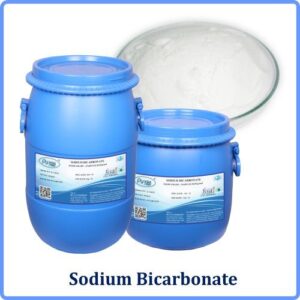
When it comes to multipurpose ingredients, Food Grade Sodium Bicarbonate is a powerhouse. Commonly known as baking soda, this fine white powder is a staple in kitchens, industries, and even medical applications. But what makes food grade sodium bicarbonate unique, and why is it in such high demand?

What is Food Grade Sodium Bicarbonate?

Food grade sodium bicarbonate is a high-purity version of sodium bicarbonate that is safe for human consumption. It plays a vital role in food processing, baking, and even certain health applications. Unlike industrial-grade sodium bicarbonate, food-grade varieties undergo stringent purification processes to ensure safety and quality.

Key Uses of Food Grade Sodium Bicarbonate

1. Baking and Cooking

  • Acts as a leavening agent in baked goods, helping dough rise.
  • Enhances the texture of cakes, cookies, and bread.
  • Used in certain recipes to neutralize acidity.

2. Food Preservation

  • Helps maintain freshness of perishable items.
  • Used in washing vegetables and fruits to remove contaminants.

3. Health and Medicine

  • Works as a natural antacid to relieve indigestion.
  • Found in dental hygiene products like toothpaste.
  • Used in sports recovery drinks to balance pH levels.

4. Cleaning and Deodorizing

  • Natural deodorizer for refrigerators, carpets, and surfaces.
  • Removes stains and residue from kitchen appliances.

Our Bestsellers

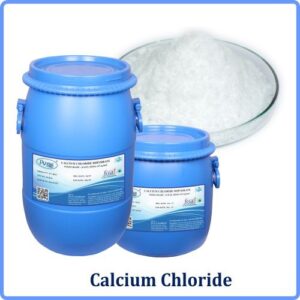
Food Grade Calcium Chloride Dihydrate
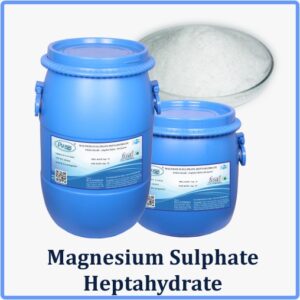
Food Grade Magnesium Sulphate
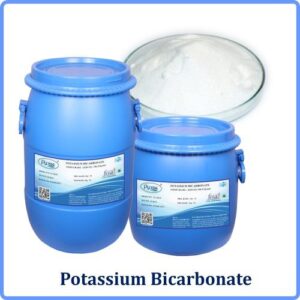
Food Grade Potassium Bicarbonate
Calcium Carbonate in Pharmaceuticals and Nutraceuticals

Calcium Carbonate in Pharmaceuticals and Nutraceuticals : A Vital Ingredient for Health

Water Treatment Chemicals

Calcium carbonate is a widely used compound in both pharmaceuticals and nutraceuticals, valued for its health benefits and versatility. From dietary supplements to medicinal formulations, this mineral plays a crucial role in maintaining optimal health.

What is Calcium Carbonate ?

Calcium carbonate is a naturally occurring mineral found in limestone, chalk, and shells of marine organisms. It is a primary source of calcium, an essential nutrient for bone health, nerve function, and muscle contraction. Due to its abundant availability and high calcium content, it is widely utilized in medical and nutritional applications.

Uses in Pharmaceuticals

Pharmaceutical-grade calcium carbonate is commonly used in:

  1. Antacids:

    Calcium carbonate acts as a fast-acting acid neutralizer, alleviating symptoms of heartburn, indigestion, and acid reflux.

  2. Calcium Supplements:

    Used to treat or prevent calcium deficiency, especially in individuals with osteoporosis or those who require additional dietary calcium.

  3. Tablet Binder and Filler:

    As an excipient, calcium carbonate helps stabilize and structure tablets, improving their integrity and ease of consumption.

Role in Nutraceuticals

Nutraceuticals—products that provide health benefits beyond basic nutrition—often include calcium carbonate due to its essential properties:

  • Bone Health Support: Adequate calcium intake is crucial for preventing conditions like osteoporosis, making calcium carbonate a popular addition to fortified foods and supplements.
  • pH Balance in Food Products: It acts as an acidity regulator in various food applications, ensuring product stability and safety.
  • Bioavailability Enhancement: Formulations with calcium carbonate help improve mineral absorption, making it a preferred choice in fortified products.
  • Benefits of Calcium Carbonate

    • High Bioavailability: Easily absorbed when paired with vitamin D, improving calcium uptake.

    • Cost-Effective: Readily available and affordable compared to other calcium sources.

    • Versatility: Used in various pharmaceutical and food-grade applications, ensuring widespread health benefits.

    Choosing the Right Calcium Carbonate

    When selecting a calcium carbonate supplement or formulation, consider:

    • Purity: Ensure it meets pharmaceutical or food-grade standards.

    • Absorption Factors: Pair it with vitamin D for enhanced uptake.

    • Dosage Recommendations: Follow medical guidance for appropriate intake.

    Calcium carbonate is an invaluable ingredient in pharmaceuticals and nutraceuticals, supporting digestive health, bone strength, and essential bodily functions. Whether incorporated into daily supplements or used medicinally, its benefits are substantial. Understanding its role helps consumers make informed choices for better health.

The Essential Guide to Water Treatment
The Essential Guide to Water Treatment: Ensuring Clean and Safe Water

Water Treatment Chemicals

Water is the lifeblood of our planet, and its purity is vital for our health and environment. Water treatment plays a crucial role in eliminating contaminants, ensuring safe consumption, and promoting sustainable practices. In this guide, we’ll explore how different water treatments improve quality and why it’s essential to treat the water correctly.

Why Water Treatment is necessary ?

Every day, water is used for drinking, cooking, cleaning, and industrial applications. However, untreated water can contain harmful pollutants, bacteria, and toxins. With advanced treatment with water solutions, industries, municipalities, and homeowners ensure water safety and prevent health risks.

Common Water Treatments Methods

  1. Filtration – Removes large particles and impurities from water, ensuring water cleaned for daily use.
  2. Chemical Treatment – Uses chlorine, ozone, or UV light to disinfect and eliminate harmful microorganisms.
  3. Reverse Osmosis – Filters out contaminants, improving the quality of water and treatment
  4. Distillation – Involves boiling water to separate pure H₂O from pollutants.
  5. Softening – Reduces hardness by removing excess minerals, enhancing the effectiveness of treatment with water.

How to Treat the Water for Better Health ?

Ensuring clean water starts with proper handling and regular testing. Follow these steps:
✅ Use certified filters to guarantee safe drinking water.
✅ Regularly inspect water pipelines to prevent contamination.
✅ Opt for eco-friendly water treatments that minimize waste.

By understanding different water treatment methods and their benefits, we can safeguard our health and the environment. Implementing the right technologies ensures water cleaned for consumption and industrial use, creating a safer, more sustainable world.

The Ultimate Guide to the Packaged Drinking Water Industry

The Ultimate Guide to the Packaged Drinking Water Industry: Trends, Challenges & Innovations

Best Quality of Food Grade Mineral Additives

Clean, safe drinking water is a global necessity, and the packaged drinking water industry has grown exponentially to meet this demand. Whether it’s water treatment methods ensuring purity, innovative packaging solutions, or sustainability challenges, lets explore the key aspects of the industry.

What is Packaged Drinking Water?

Packaged drinking water refers to water cleaned and processed for safe consumption, sold in bottles, cans, or other containers. It includes:

  • Still water(most common)
  • Sparkling water(carbonated)
  • Flavoured water(infused with natural flavours)
  • Functional water(enhanced with vitamins, electrolytes, etc.)

Key Drivers of Industry Growth

  1. Health Consciousness– Consumers are shifting from sugary drinks to bottled water, perceived as a healthier alternative.
  2. Urbanization & Convenience– Busy lifestyles and unreliable tap water in cities boost demand for portable hydration.
  3. Water Pollution Concerns– Rising contamination fears drive reliance on water treatments for safe drinking water.
  4. Technological Advancements– Improved filtration (e.g., reverse osmosis) and sustainable packaging innovations. 

Challenges Facing the Industry

  • Environmental Impact– Plastic waste (85% of bottles end up in landfills) and carbon emissions 
  • Regulatory Scrutiny– Weak regulations compared to tap water in some regions.
  • Groundwater Depletion– Over-extraction by bottling companies threatens local water sources 

Innovations Shaping the Future

  1. Sustainable Packaging
    • Plant-based plastics (e.g., biodegradable bottles)
    • Aluminum cans (higher recyclability than plastic)
    • Refillable bottle systems to reduce single-use waste
  2. Functional & Premium Waters
    • Electrolyte-infused and vitamin-enriched waters for health-focused consumers
    • Luxury brands offering artisanal or glacier-sourced water
  3. Water Treatment Advancements
    • AI-driven purification systems for higher efficiency
    • Blockchain for traceability in sourcing and quality assurance 

The Future of Packaged Drinking Water

The industry must balance growth with sustainability. Key trends include:

  • Circular Economy– More brands using 100% recycled materials (rPET)
  • Government Interventions– Stricter regulations on plastic and groundwater use
  • Tap Water Revival– Public campaigns to reduce reliance on bottled water where safe alternatives exist. 

The packaged drinking water industry is at a crossroads, driven by health trends and environmental challenges. Innovations in water treatment, packaging, and sustainability will define its future. For consumers, choosing brands committed to eco-friendly practices can make a significant impact.

Added Food Grade Minerals

Added Food-Grade Minerals in the Packaged Drinking Water Industry: A Vital Enhancement for Health and Taste

The packaged drinking water industry has evolved beyond mere hydration—today, it integrates added food-grade minerals to enhance both health benefits and taste. With growing consumer awareness about wellness and nutrition, mineral-enriched water has carved out a niche, offering functional advantages beyond basic refreshment.

Why Are Food-Grade Minerals Added to Water?

Natural water sources often contain essential minerals, but purification processes may strip them away. To compensate, manufacturers fortify packaged water with key minerals that provide several benefits, including:

  • Improved Hydration: Minerals like potassium and sodium aid in maintaining electrolyte balance.

  • Enhanced Taste: Calcium and magnesium influence water texture, giving it a smoother feel.

  • Health Benefits: Zinc and selenium contribute to immune support, while calcium strengthens bones.

Common Minerals Added to Packaged Drinking Water

Several food-grade minerals are commonly incorporated into bottled water formulations, ensuring consumers receive added nutrition:

    • Calcium: Supports bone health and muscular function.

    • Magnesium: Aids in metabolism, nerve function, and muscle performance.

    • Sodium & Potassium: Help regulate hydration and bodily fluid balance.

    • Zinc: Plays a role in immunity and wound healing.

Industry Trends and Consumer Demand

As consumers seek healthier alternatives to sugary beverages, mineral-enhanced drinking water is gaining traction. Some brands differentiate their products with specialized blends targeting hydration, performance, or immune health. Additionally, sustainability efforts in packaging and sourcing minerals ethically are becoming integral to industry practices.

Future Outlook

With advancements in nutritional science and technology, the packaged drinking water industry will continue refining mineral compositions to optimize health benefits while maintaining purity. Innovations such as personalized water formulations and eco-friendly packaging will likely shape the market further.

Mineral-added packaged drinking water is more than a convenience – it’s an investment in well-being. As demand rises, manufacturers must strike the right balance between science, sustainability, and consumer needs to stay ahead in this evolving industry.

Food Grade Calcium Chloride Dihydrate
Food Grade Magnesium Sulphate
Food Grade Potassium Bicarbonate