Calcium Carbonate for Food: Uses, Safety Standards & Supplier Selection Guide
A simple guide to calcium carbonate for food, its uses, safety standards, and how to choose the right supplier.
Calcium carbonate is a common mineral used in the food industry. It is widely added to food products as a safe source of calcium. In its food-grade form, it is a purified material used to improve nutrition and product quality. It is often available as white calcium carbonate powder, making it easy to incorporate into various food formulations.
The compound, commonly written as Potassium Bicarbonate Khco3, should always be verified against a Certificate of Analysis before large-volume purchase.
Food manufacturers use calcium carbonate for food in controlled amounts to support calcium intake and improve product stability. It is commonly used in bakery items, beverages, dairy products, and nutritional foods.
Its usage is strictly regulated to ensure safety and quality, making it a trusted ingredient in modern food processing.
What Is Food-Grade Calcium Carbonate?
Food-grade calcium carbonate is a purified mineral form of calcium carbonate that is safe for use in food products. It is processed and refined to meet strict food safety standards before use in manufacturing.
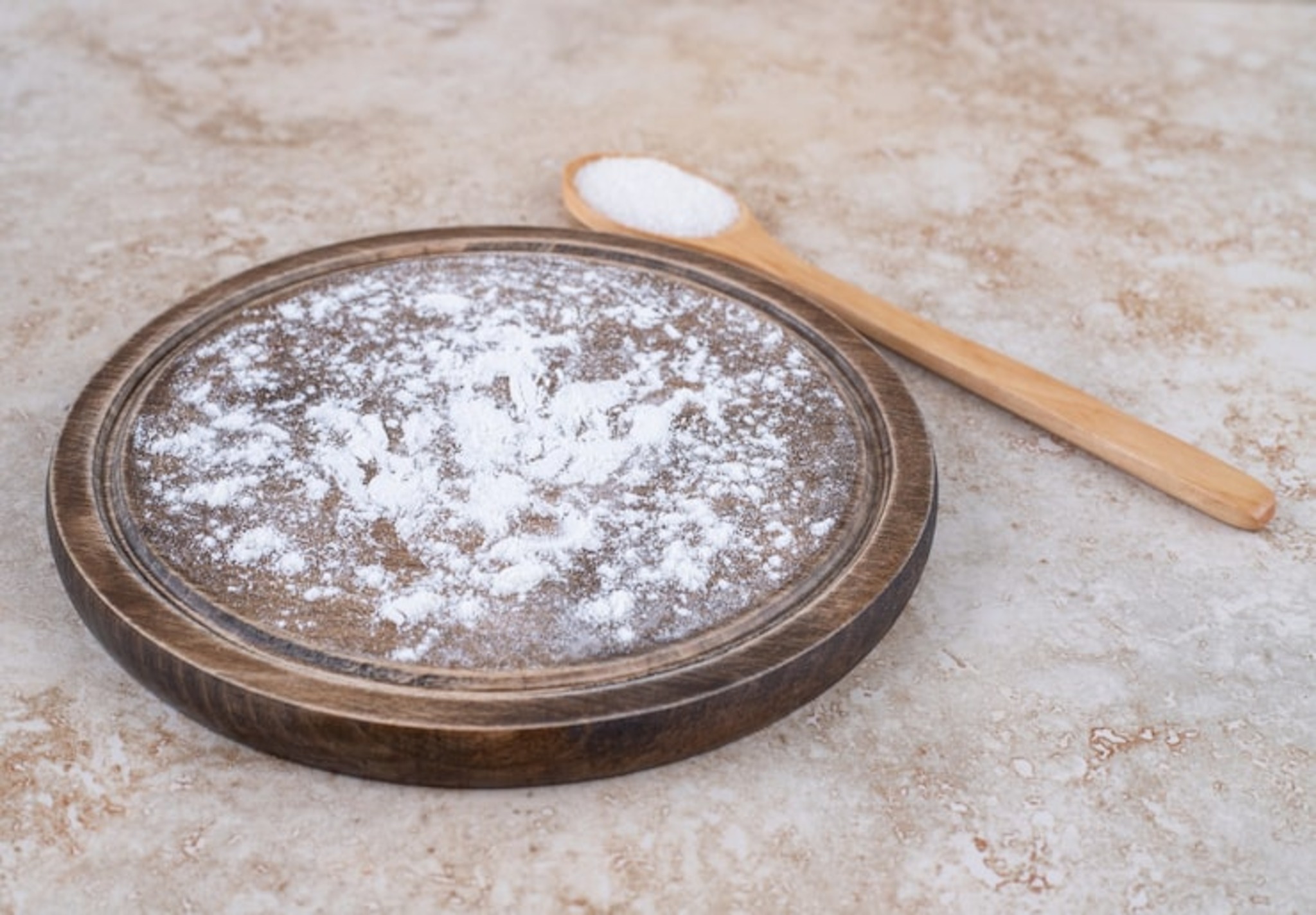
It primarily comes as a fine white calcium carbonate powder, making it easy to blend into various food formulations without altering taste or texture.
Key points to understand:
- It is a natural mineral compound made from calcium, carbon, and oxygen
- It is refined to remove impurities and meet food-grade safety requirements
- It is used as a calcium source in processed food products
- It must meet global and local food safety standards before approval
- It is commonly identified in regulatory systems under 471-34-1
Food-grade calcium carbonate plays an important role in improving nutritional value while maintaining product stability and safety.
Key Uses of Calcium Carbonate in the Food Industry
Calcium carbonate is used in many food categories to improve nutrition, texture, and stability. Its role is not just as an additive, but as a functional ingredient in food formulation.
- Calcium enrichment in food products
Calcium carbonate is commonly used to enrich foods with calcium. This enables adequate calcium supplementation in various food products, such as fortified flour, cereals, and health foods.
- Baking and bakery applications
It helps improve the texture and structure of the dough in bakery products. It also enhances the texture of bakery products such as bread, biscuits, and cakes without affecting their taste.
- Beverage fortification
It is added to certain drinks to improve mineral content. This helps create nutritionally balanced beverages without affecting flavour when used in controlled amounts.
- Dairy and dairy-based products
Calcium carbonate helps maintain mineral balance in dairy products. It is used in food items such as milk powder and dairy food mixes.
- Food stability and processing support
In processed foods, it helps provide stability to the food product. It ensures that there are no variations in its composition or appearance.
Safety Standards and Regulatory Compliance
The use of calcium carbonate in food must adhere to specific guidelines. The calcium carbonate material used must be food-grade, as well as the amounts used.
- Approved food-grade usage only
Only purified food-grade calcium carbonate is approved for use in food manufacturing; industrial-grade material cannot be used in food applications.
- Regulatory identification (INS 170 / 471-34-1)
Calcium carbonate is recognised under food additive codes such as 471-34-1, indicating it is approved for controlled use in food systems.
- Controlled dosage limits
The amount added to food products is carefully regulated to ensure safety and compliance. Excessive use is not allowed, as it could affect the food product's quality and compliance.
- Quality and purity testing requirements
Every batch must be tested for purity and quality before use, helping ensure food safety and product consistency.
- Compliance with food authority guidelines
Manufacturers have to adhere to all food safety guidelines laid down by various food regulatory agencies.
How to Choose the Right Calcium Carbonate Supplier
Picking the right supplier is key in food manufacturing because it affects safety, consistency, and regulatory compliance. A reliable source ensures that every batch meets industry expectations.
- Certified food-grade material availability
The supplier should supply calcium carbonate for food use only. The certification confirms the material's safety for consumption.
- Proper purity level and particle size control
Calcium carbonate must maintain a certain level of purity for optimal effectiveness. High-quality calcium carbonate requires particle-size control for good mixing and dispersion in food.
- Consistent supply for large-scale production
The food industry relies on the manufacturing process running continuously. Having a reliable supplier guarantees a continuous supply.
- Availability of compliance and safety documents
It is important to have proper documents as they are necessary during the audit process. This will include quality and safety certificates, among others.
- Industry experience and application knowledge
Suppliers with experience in food manufacturing are better equipped to provide application-specific material and technical support.
- Reliable sourcing for long-term product stability
Using a reliable supplier ensures consistent quality across batches, which translates into quality in the finished product.
Many industries prefer established suppliers like Pyoraa for consistent food-grade quality, reliable supply, and compliance-ready documentation.
White Calcium Carbonate Powder: Why It Matters
The physical form of calcium carbonate plays an important role in its performance in food applications. Among different forms, fine white powder is most widely preferred.
- Indicator of purity and processing quality
A clean white calcium carbonate powder reflects proper refinement. A clean, uniform white appearance is often associated with higher purity and improved suitability for food applications.
- Better blending in food formulations
Powder is compatible with other compounds used in food. Thus, it will avoid inconsistency in final products and help achieve even distribution.
- Improved uniformity in production processes
Uniform particle size helps maintain consistency in large-scale food manufacturing. This ensures stable quality across all batches.
- Preferred in industrial food applications
Powder is favoured by food companies in baking, fortification, and manufacturing because it does not alter product texture.
- Must meet safety and contamination standards
Food-grade calcium carbonate powder must be free from contaminants and harmful substances to ensure consumer safety.
Industrial Importance and Market Demand
Calcium carbonate is gaining popularity in the modern food sector. It is increasingly used by many companies due to the growing importance placed on health issues.
- Growing demand in the food fortification industry
There has been a growing demand for foods that contain minerals. This substance helps increase the calcium content of common foods and is therefore used for food fortification.
- Widespread use in packaged food and beverages
Processed foods and beverages incorporate calcium carbonate for food into their ingredients.
- Shift toward mineral-enriched products
Consumers are now more aware of nutrition. Demand for products with added minerals, such as calcium, has grown.
- Need for reliable calcium carbonate suppliers
With increased demand, industries require reliable calcium carbonate suppliers to maintain quality and ensure smooth production.
- Essential for safety and product consistency
Calcium carbonate helps maintain consistent product quality. This is very important in large-scale food production.
Final Insight: Why Trusted Mineral Sources Matter in Food Production
Calcium carbonate is a small ingredient, but it plays a big role in food manufacturing. It supports nutrition, improves stability, and helps maintain consistent product quality across large-scale production.
However, the real difference comes from where it is sourced. Food manufacturers need material that is not only safe but also consistent in purity and performance. Any variation can affect the final product, making supplier reliability a key part of the process.
This is where Pyoraa adds value to the industry. Pyoraa focuses on supplying high-quality food-grade calcium carbonate that meets strict safety and regulatory standards. Every batch is designed to support uniformity, compliance, and dependable performance in food applications.
With a strong focus on quality control and industry requirements, Pyoraa works closely with food manufacturers to ensure they receive materials ready for real-world production. From safety checks to consistent supply, the goal is to support smooth operations without compromise.
In simple terms, Pyoraa helps industries maintain trust in every batch by delivering mineral ingredients that are safe, stable, and production-ready.
FAQs
FAQs for this blog will be updated soon.