CAS 77-92-9 Explained: Technical Guide to Food-Grade Citric Acid Anhydrous
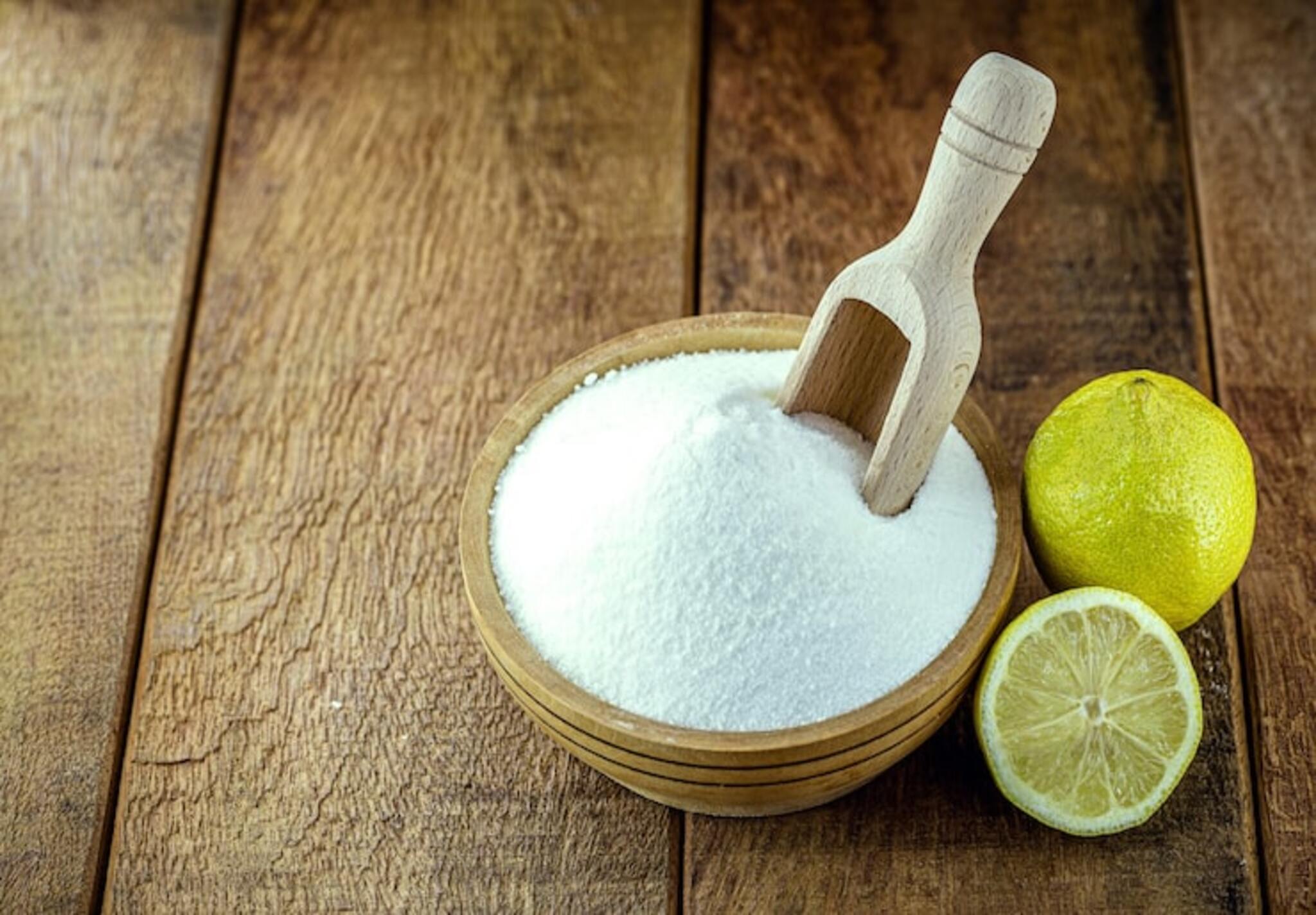
Table of Contents
- What is CAS 77-92-9?
- Why is citric acid anhydrous widely used in food manufacturing?
- Where is food safe citric acid commonly used?
- How does anhydrous citric acid powder differ from citric acid monohydrate?
- What should buyers check before sourcing 77-92-9?
- Why does product purity matter for food safe citric acid?
- How should citric acid anhydrous be stored?
- Why is traceability important when purchasing 77-92-9?
- Choosing the right ingredient partner for citric acid anhydrous
Food ingredients are identified not only by their common names but also by globally recognized chemical identifiers that help manufacturers source the right material with confidence. One such identifier is CAS Number 77-92-9, which identifies citric acid, anhydrous. Whether you manufacture beverages, confectionery, dairy products, bakery items, or nutritional supplements, understanding the ingredient's properties, specifications, and intended applications can help you make informed sourcing decisions.
In this guide, we explain what is CAS 77-92-9, where it is used, why food manufacturers prefer it, and the important technical details you should know before selecting a supplier. At Pyoraa, we understand the importance of consistent ingredient quality for food production. We supply high-quality food-grade ingredients that help businesses maintain product safety, performance, and regulatory compliance.
What is CAS 77-92-9?
The question, "what is CAS 77-92-9?" is common among manufacturers, procurement teams, and quality professionals. CAS stands for Chemical Abstracts Service. CAS Registry Numbers provide unique identifiers for chemical substances and help distinguish substances that may have different common or commercial names.
CAS Number 77-92-9 identifies citric acid, anhydrous, the water-free form of citric acid that is widely used in food and beverage applications. Using the CAS number can help manufacturers verify the identity of the substance they are sourcing, regardless of supplier or commercial product name.
Unlike common or commercial product names, which may vary between suppliers and markets, a CAS Registry Number provides a consistent identifier for the substance. This makes sourcing, documentation, and quality verification much easier.
| Property | Details |
| Chemical Name | Citric Acid Anhydrous |
| CAS Number | 77-92-9 |
| Appearance | White crystalline powder |
| Grade | Food Grade |
| Solubility | Highly soluble in water |
| Primary Function | Acidulant, flavour enhancer, preservative, pH regulator |
Why is citric acid anhydrous widely used in food manufacturing?
Food manufacturers rely on citric acid anhydrous because it performs several important functions in a single ingredient. It provides acidity and sourness, helps control pH, and can contribute to product stability and shelf life depending on the formulation.
Because anhydrous citric acid contains no water of crystallisation, it can be useful in formulations where control of moisture content is an important consideration.
Some of its major advantages include:
- Provides a clean and balanced sour taste
- Helps maintain the desired pH level in food products
- Improves flavour consistency across batches
- Supports better preservation of processed foods
- Mixes easily with dry and liquid formulations
- Suitable for a wide variety of food processing applications
- Offers consistent performance during manufacturing
Because of these benefits, citric acid anhydrous is commonly used across multiple food categories.
Where is food safe citric acid commonly used?
Food-grade citric acid is used across a wide range of food and beverage applications because of its acidity, flavour profile, and formulation versatility. Manufacturers value its versatility and consistent performance across different formulations.
Some of the most common applications include:
| Industry | Typical Applications |
| Beverage | Soft drinks, fruit juices, energy drinks |
| Bakery | Cakes, fillings, frostings, baking mixes |
| Confectionery | Gummies, candies, hard sweets, jellies |
| Dairy | Flavoured milk, yoghurt, cheese products |
| Processed Foods | Sauces, seasonings, ready-to-eat meals |
| Nutraceutical | Vitamin tablets and powdered supplements |
In each application, food safe citric acid helps improve flavour balance while maintaining the required acidity level for product stability.
How does anhydrous citric acid powder differ from citric acid monohydrate?
Many buyers compare anhydrous citric acid powder with citric acid monohydrate before placing an order. Although both serve similar functions, they differ in composition.
The primary difference is the presence of water molecules in the crystal structure.
| Feature | Anhydrous | Monohydrate |
| Water Content | No water molecules | Contains one water molecule |
| Moisture Sensitivity | Lower | Higher |
| Dry Mix Applications | Highly suitable | Suitable in many applications |
| Storage Stability | Excellent when stored correctly | Good under recommended conditions |
| Common Industries | Food, beverages, supplements | Food, pharmaceuticals, beverages |
Because anhydrous citric acid contains no water of crystallisation, it may be preferred for certain dry formulations where control of moisture and ingredient composition is important.
What should buyers check before sourcing 77-92-9?
Selecting the right ingredient supplier involves more than comparing prices. Buyers should evaluate product quality, documentation, and manufacturing consistency.
Before purchasing 77-92-9, consider the following:
- Verify that the ingredient is supplied as food grade
- Request a Certificate of Analysis for quality verification
- Confirm the CAS number matches the required specification
- Review purity and technical specifications
- Ensure packaging protects the product from moisture
- Check whether the supplier follows recognised quality standards
- Ask about batch consistency and product traceability
Choosing a reliable supplier helps minimise production risks while maintaining consistent product quality.
Why does product purity matter for food safe citric acid?
Ingredient purity and compliance with the required specifications can influence manufacturing consistency and finished product quality. High-purity food safe citric acid supports better consistency across every production batch.
Using high-quality ingredients offers several advantages:
- Consistent flavour profile
- Better production efficiency
- Reliable pH adjustment
- Improved product stability
- Reduced risk of contamination
- Easier compliance with food quality standards
For manufacturers supplying regulated markets, ingredient consistency becomes even more important because quality documentation forms an essential part of the approval process.
How should citric acid anhydrous be stored?
Proper storage helps maintain the quality and effectiveness of citric acid anhydrous throughout its shelf life.
The product should always be protected from excessive humidity because it readily absorbs moisture from the surrounding environment.
Recommended storage practices include:
- Store in a cool and dry environment
- Keep containers tightly sealed after use
- Protect from direct sunlight
- Avoid exposure to excessive moisture
- Follow the manufacturer's recommended storage conditions
- Use clean handling practices during production
These simple precautions help preserve product quality until it is used in manufacturing.
Why is traceability important when purchasing 77-92-9?
Modern food manufacturing requires complete transparency throughout the supply chain. Traceability allows manufacturers to identify every batch from procurement to finished product.
When sourcing 77-92-9, proper documentation supports:
- Faster quality verification
- Easier product recalls if required
- Better supplier accountability
- Improved regulatory compliance
- Consistent procurement records
- Greater confidence during audits
A supplier that maintains complete documentation helps manufacturers meet quality and compliance requirements more efficiently.
Choosing the right ingredient partner for citric acid anhydrous
Selecting the right supplier is just as important as selecting the right ingredient. While understanding what is CAS 77-92-9 helps buyers identify the correct product, choosing a trusted supplier ensures consistent quality, dependable supply, and technical support whenever required.
At Pyoraa, we supply premium citric acid anhydrous that meets food-grade quality requirements for diverse manufacturing applications. Our focus is on delivering reliable ingredients backed by quality standards, consistency, and dependable service so businesses can manufacture with confidence.
If you are looking for a trusted source of food safe citric acid or anhydrous citric acid powder, our team is ready to help you select the right solution for your production requirements. Contact us today to discuss your ingredient needs
FAQs
FAQs for this blog will be updated soon.