Citric Acid Monohydrate Price in India: Factors That Influence Bulk Procurement
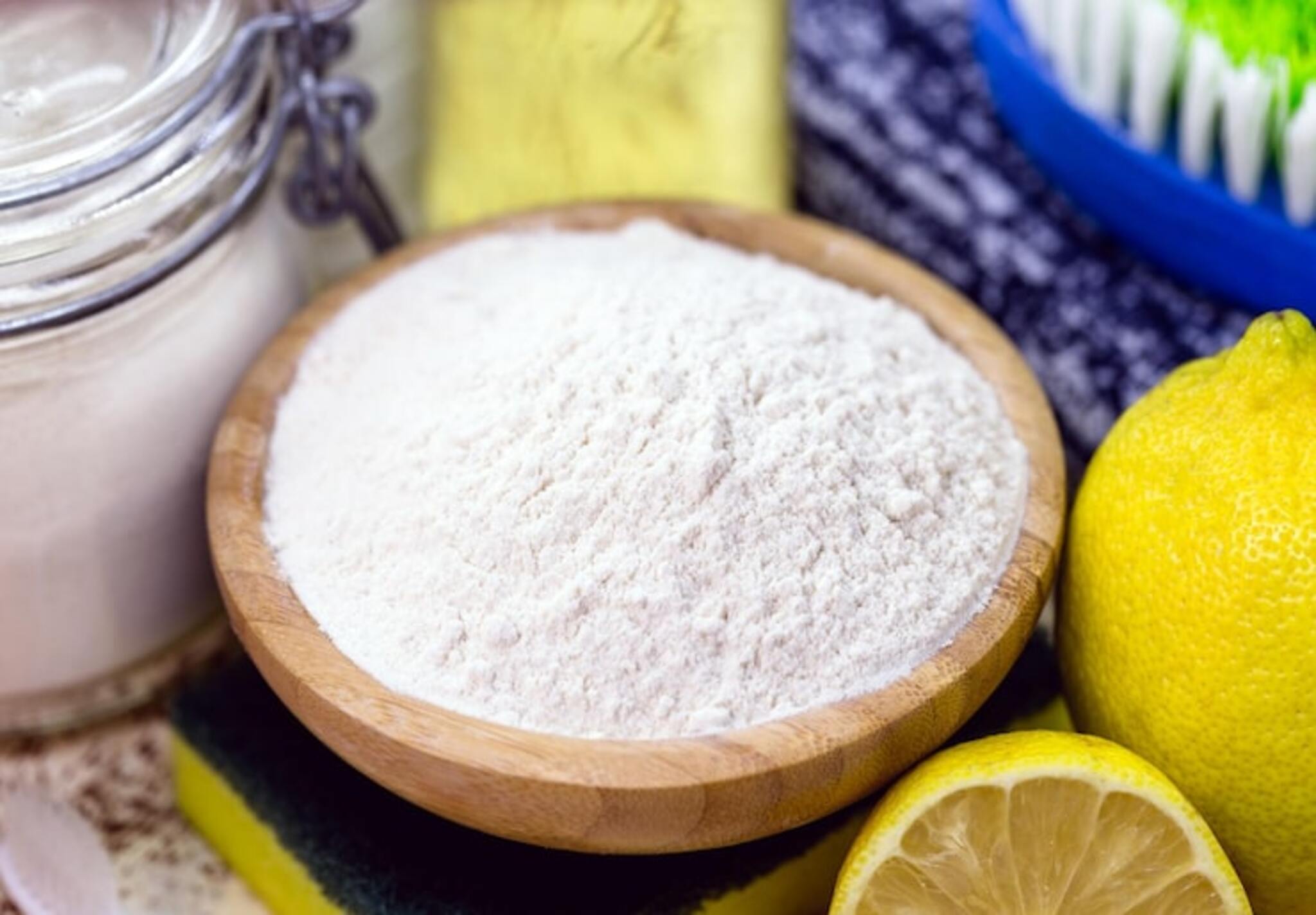
Table of Contents
- Why Is Citric Acid Monohydrate Used Across So Many Industries?
- Why Does the Citric Acid Monohydrate Price Vary Across Suppliers?
- How Does Product Quality Affect Procurement Costs?
- Which Market Factors Influence the Citric Acid Price in India?
- Why Does Bulk Procurement Offer Better Value?
- Why Is Choosing the Right Supplier Just as Important as Price?
- Building a Smarter Bulk Procurement Strategy
The citric acid monohydrate price is one of the first things businesses consider when sourcing this widely used ingredient. Whether you operate in the food, beverage, pharmaceutical, personal care, or chemical industry, the cost of raw materials directly affects your production budget, product pricing, and overall profitability. The quality of the product, supplier reliability, packaging standards, transportation costs, and market demand all contribute to the final price you pay.
Many buyers compare prices from multiple suppliers without understanding what causes these differences. Factors such as inconsistent product quality, delayed deliveries, or inadequate documentation can create unexpected costs that outweigh the initial savings.
Demand for citric acid monohydrate powder can vary across industries and market conditions, which can influence procurement costs in India. Changes in demand and supply can influence citric acid prices in India, making it important for procurement teams to consider market conditions before placing large orders. At Pyoraa, we believe businesses should have access to clear information that helps them make confident sourcing decisions. In this guide, we explain the key factors that influence the citric acid monohydrate price in India and what buyers should evaluate before purchasing in bulk.
Why Is Citric Acid Monohydrate Used Across So Many Industries?
Citric acid monohydrate is valued for its versatility and consistent performance. Citric acid monohydrate is commonly produced through fermentation and is widely used as an acidulant, pH regulator, and chelating agent in various applications. Its ability to perform multiple functions makes it an essential ingredient across different manufacturing sectors.
Demand from multiple industries is one of several factors that can contribute to fluctuations in citric acid prices in India. Since manufacturers from different sectors rely on the same raw material, changes in demand often influence bulk procurement costs.
Some of the most common applications include:
- Food manufacturers use it to improve flavour, regulate acidity, and extend shelf life
- Beverage companies add it to maintain taste consistency and product stability
- Pharmaceutical manufacturers include it in tablets, syrups, and health supplements
- Cosmetic and personal care manufacturers use it in selected formulations, particularly where acidity or pH adjustment is required
- Cleaning product manufacturers use it for descaling and stain removal
- Industrial manufacturers may use citric acid in specialised formulations, cleaning processes, and certain water treatment applications
Understanding these diverse applications helps buyers appreciate why market demand plays such an important role in determining the citric acid monohydrate price.
Why Does the Citric Acid Monohydrate Price Vary Across Suppliers?
One of the most common questions buyers ask is why quotations differ from one supplier to another. The answer lies in several factors that collectively determine the overall cost of production and supply.
Supplier quotations can differ because suppliers may have different quality-control processes, testing requirements, logistics arrangements, inventory levels, and commercial terms. These differences naturally affect the final citric acid monohydrate price in India.
The table below highlights the major pricing factors buyers should evaluate before comparing quotations.
| Pricing Factor | Impact on Bulk Procurement |
| Raw material availability | Limited supply may increase manufacturing costs and market prices |
| Product quality | Higher purity and consistent quality often command better value |
| Manufacturing standards | Advanced production processes improve consistency but may increase costs |
| Packaging | Industrial-grade packaging adds protection during storage and transport |
| Transportation | Freight charges vary depending on distance and delivery requirements |
| Order quantity | Larger orders often reduce the per-unit procurement cost |
| Supplier reliability | Consistent supply helps avoid production delays and hidden operational expenses |
Instead of focusing only on the quoted price, businesses should compare the overall value offered by each supplier.
How Does Product Quality Affect Procurement Costs?
Product quality is one of the biggest factors influencing the citric acid monohydrate price. High-quality material delivers consistent performance during manufacturing and reduces the risk of production losses.
When buyers select lower-priced products without evaluating quality, they may experience issues such as inconsistent batches, reduced product performance, or increased rejection rates. These hidden costs often exceed the savings made during procurement.
High-quality citric acid monohydrate powder generally offers several advantages.
- Better purity levels that support consistent production
- Uniform particle size for improved processing
- Stable performance across different manufacturing batches
- Longer shelf life under suitable storage conditions
- Lower chances of contamination or quality variation
- Better compliance with industry quality standards
Businesses that prioritise quality often achieve greater operational efficiency and fewer production interruptions over time.
Which Market Factors Influence the Citric Acid Price in India?
The citric acid price in India is influenced by changing market conditions throughout the year. Since citric acid is used across multiple industries, even small shifts in demand or supply can affect procurement costs.
Global trade, seasonal production patterns, and transportation expenses also contribute to price movements. Businesses that monitor these trends are often better prepared to plan their purchasing cycles.
Several market conditions can affect pricing.
- Higher demand from food and beverage manufacturers
- Increased pharmaceutical production requirements
- Changes in export and import activities
- Availability of raw materials used during manufacturing
- Rising logistics and freight costs
- Global supply chain disruptions affecting imports and exports
Understanding these factors allows procurement teams to plan purchases at more favourable times instead of reacting to sudden market fluctuations.
Why Does Bulk Procurement Offer Better Value?
Bulk purchasing is often more cost-effective because suppliers can optimise production schedules, packaging, and transportation. As order quantities increase, the overall procurement process becomes more efficient, helping reduce the average cost per kilogram.
However, buyers should remember that the bulk citric acid monohydrate price depends on more than just order size. Storage capacity, inventory planning, and expected production demand should also be considered before placing large orders.
Businesses that procure in bulk may benefit from:
- Lower procurement costs per unit
- Better commercial pricing from suppliers
- Reduced transportation costs across larger shipments
- Improved inventory planning for continuous production
- Greater price stability through long-term purchasing agreements
- Fewer emergency purchases during periods of high demand
A balanced procurement strategy helps businesses maximise savings without creating unnecessary inventory costs.
Why Is Choosing the Right Supplier Just as Important as Price?
The supplier you choose has a direct impact on procurement efficiency. A dependable supplier does more than deliver products. They help maintain production schedules, provide consistent quality, and support businesses with reliable documentation and after-sales service.
Working with an experienced food-grade citric acid monohydrate supplier can reduce procurement risks while ensuring the material consistently meets application requirements.
When evaluating suppliers, buyers should look for:
- Proven product quality backed by quality control measures
- Reliable inventory to support uninterrupted supply
- Transparent documentation and product certifications
- Timely deliveries that minimise production delays
- Responsive customer support for procurement queries
- Experience serving multiple industries with consistent quality
Supplier reliability becomes even more valuable when businesses require regular bulk purchases throughout the year.
Building a Smarter Bulk Procurement Strategy
Bulk procurement is not just about securing the lowest price. A well-informed purchasing decision considers product quality, supplier reliability, delivery timelines, packaging standards, and long-term supply consistency. Evaluating these factors together helps businesses minimise operational risks, maintain production efficiency, and achieve better value over time. Keeping track of market trends can also make it easier to plan purchases when the citric acid price in India is more favourable.
At Pyoraa, we believe every business deserves a sourcing partner that values consistency as much as cost. We support manufacturers with high-quality citric acid monohydrate powder that meets industry requirements while ensuring dependable supply and transparent service. If you are evaluating the citric acid monohydrate price for your next purchase or comparing options for the citric acid monohydrate price in India, our team is here to help you make an informed decision. As a trusted food-grade citric acid monohydrate supplier, we focus on delivering reliable quality and competitive bulk citric acid monohydrate price solutions that support your business in the long run.
Get in touch with our team today to discuss your bulk requirements and find the right procurement solution for your business.
FAQs
FAQs for this blog will be updated soon.