Magnesium Chloride Crystals: Industrial Applications and Quality Standards
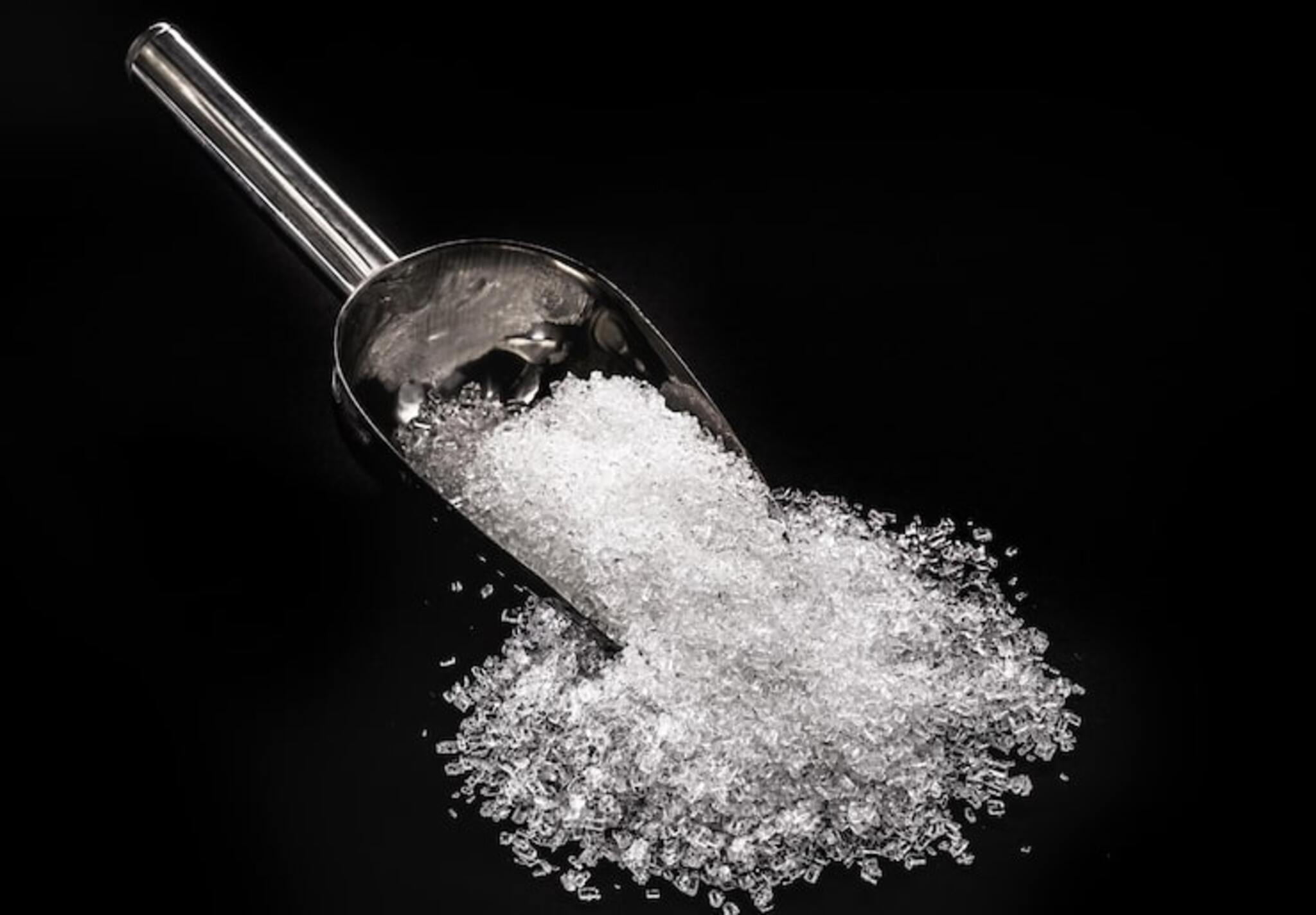
Table of Contents
- Why Are Magnesium Chloride Crystals Widely Used Across Industries?
- What Is Magnesium Chloride Hexahydrate and Why Is It Commonly Used?
- How Are Magnesium Chloride Crystals Used in Different Industries?
- Why Do Quality Standards Matter When Choosing Magnesium Chloride?
- What Makes Food Grade Magnesium Chloride Crystals Different?
- How Can You Identify High-Quality Natural Magnesium Chloride?
- What Should Businesses Consider Before Purchasing Magnesium Chloride Crystals?
- Making the Right Choice for Consistent Industrial Performance
Magnesium compounds play an important role across industries because of their stability, versatility, and performance. Among them, magnesium chloride crystals are widely used in manufacturing, food processing, pharmaceuticals, agriculture, water treatment, and several other industrial applications. Their ability to dissolve quickly in water and provide a reliable source of magnesium makes them suitable for both technical and food-grade applications.
However, selecting the right product is not just about availability. Purity, manufacturing standards, consistency, and compliance with industry regulations directly influence product quality and performance. Understanding these aspects helps businesses choose the right material for their processes while maintaining product safety and efficiency.
At Pyoraa, we understand that industries need high-quality raw materials that meet strict quality requirements. In this blog, we explain the major industrial applications of magnesium chloride crystals, the importance of quality standards, and the factors businesses should evaluate before selecting the right grade.
Why Are Magnesium Chloride Crystals Widely Used Across Industries?
The popularity of magnesium chloride crystals comes from their excellent solubility, stable chemical properties, and wide compatibility with industrial processes. They are available in different grades to suit various applications, including industrial, pharmaceutical, and food manufacturing.
Industries prefer this compound because it offers several practical advantages:
- High water solubility for faster processing
- Consistent magnesium content across production batches
- Suitable for multiple industrial formulations
- Easy storage and handling under recommended conditions
- Available in different purity grades depending on application requirements
Many manufacturers also choose natural magnesium chloride because it is sourced from naturally occurring mineral deposits or seawater-based resources before undergoing purification processes suited for industrial or food applications.
What Is Magnesium Chloride Hexahydrate and Why Is It Commonly Used?
One of the most widely available forms is magnesium chloride hexahydrate, which contains six water molecules attached to each magnesium chloride molecule. This hydrated form offers excellent stability and dissolves easily in water, making it suitable for numerous manufacturing processes.
Compared to other forms, magnesium chloride hexahydrate is preferred because it provides:
| Property | Industrial Benefit |
| Excellent solubility | Faster mixing and processing |
| Stable composition | Consistent manufacturing quality |
| Easy handling | Suitable for automated production systems |
| High purity availability | Supports food and pharmaceutical applications |
| Reliable magnesium source | Useful across multiple industries |
Its versatility allows manufacturers to maintain production efficiency without compromising product consistency.
How Are Magnesium Chloride Crystals Used in Different Industries?
The growing demand for magnesium chloride crystals uses reflects the material's ability to support diverse manufacturing sectors. Different industries rely on specific grades depending on regulatory and performance requirements.
- Food Processing Industry
Food manufacturers use food grade magnesium chloride crystals as a food ingredient, firming agent, mineral source, and processing aid in selected applications. Since food safety is critical, manufacturers require products that comply with recognised purity standards.
Common applications include:
- Food processing formulations
- Mineral fortification
- Tofu production
- Food manufacturing ingredients
- Nutritional formulations
- Pharmaceutical Industry
The pharmaceutical sector requires highly purified magnesium chloride for manufacturing formulations where consistency and quality are essential.
Applications include:
- Pharmaceutical formulations
- Electrolyte preparations
- Nutritional supplements
- Laboratory formulations
- Medical manufacturing processes
- Agriculture
Agricultural industries use magnesium compounds to improve magnesium availability in crop nutrition programmes.
Some agricultural applications include:
- Fertiliser manufacturing
- Micronutrient formulations
- Soil nutrient management
- Hydroponic nutrient solutions
- Specialty crop nutrition
- Water Treatment
Water treatment facilities use magnesium compounds during various treatment and conditioning processes.
Applications include:
- Water conditioning
- Industrial water treatment
- Wastewater processing
- Process water management
- Chemical treatment systems
- Chemical Manufacturing
Chemical manufacturers rely on magnesium chloride crystals as an important raw material in numerous production processes.
These applications include:
- Chemical synthesis
- Industrial formulations
- Catalyst preparation
- Process chemicals
- Manufacturing intermediates
Why Do Quality Standards Matter When Choosing Magnesium Chloride?
Quality standards directly affect manufacturing performance, product safety, and regulatory compliance. Even small variations in purity or moisture content can influence production outcomes.
When evaluating suppliers, businesses should focus on:
- Product purity and chemical composition
- Batch-to-batch consistency
- Moisture content
- Manufacturing process controls
- Traceability of raw materials
- Packaging quality
- Regulatory compliance documentation
Reliable suppliers perform routine quality testing to ensure every batch meets the required specifications before dispatch.
What Makes Food Grade Magnesium Chloride Crystals Different?
Not every magnesium chloride product is suitable for food applications. food grade magnesium chloride crystals are manufactured under controlled processes to meet food safety requirements and purity specifications.
Some distinguishing characteristics include:
| Food Grade Feature | Importance |
| High purity | Supports food safety requirements |
| Controlled manufacturing | Reduces contamination risks |
| Quality testing | Ensures product consistency |
| Regulatory compliance | Meets applicable food standards |
| Reliable documentation | Simplifies quality verification |
Businesses should always verify that the supplied material is intended for food use rather than assuming all grades offer similar quality.
How Can You Identify High-Quality Natural Magnesium Chloride?
Choosing high-quality natural magnesium chloride requires more than checking product labels. Businesses should evaluate both the supplier and the manufacturing process.
Important factors include:
- Consistent product specifications
- Recognised quality certifications
- Reliable technical documentation
- Established manufacturing practices
- Appropriate packaging for moisture protection
- Transparent quality control procedures
- Responsive technical support
Working with an experienced manufacturer helps reduce procurement risks while ensuring dependable product quality.
What Should Businesses Consider Before Purchasing Magnesium Chloride Crystals?
Selecting the right supplier requires evaluating both technical specifications and long-term reliability. The lowest price may not always provide the best value if product consistency varies between batches.
Before making a purchase, businesses should consider:
- Intended industrial application
- Required purity level
- Grade specifications
- Supply consistency
- Packaging options
- Technical documentation availability
- Regulatory compliance
- Supplier experience
- Quality assurance systems
- Customer support capabilities
A structured evaluation process helps businesses minimise production disruptions and maintain consistent manufacturing quality.
Making the Right Choice for Consistent Industrial Performance
The quality of magnesium chloride can have a direct impact on manufacturing efficiency, product consistency, and regulatory compliance. Whether it is used in food processing, agriculture, pharmaceuticals, or chemical manufacturing, choosing the right grade ensures reliable performance throughout the production process. Understanding the intended application and evaluating quality standards are equally important when selecting a supplier.
Different industries have different requirements. For example, magnesium chloride hexahydrate is preferred for applications that require high solubility, while food grade magnesium chloride crystals are essential for food manufacturing where purity and safety are non-negotiable. Businesses looking for natural magnesium chloride should also consider sourcing practices, quality testing, and batch consistency before making a purchase.
At Pyoraa, we supply high-quality magnesium chloride crystals that meet the needs of diverse industries while maintaining strict quality standards. Our focus is on providing dependable products that help businesses achieve consistent results across their operations.
If you are looking for a trusted supplier of magnesium chloride products, our team is here to help you choose the right solution for your specific application.
FAQs
FAQs for this blog will be updated soon.