Why Food Grade Calcium Chloride Is Used in Cheese Manufacturing
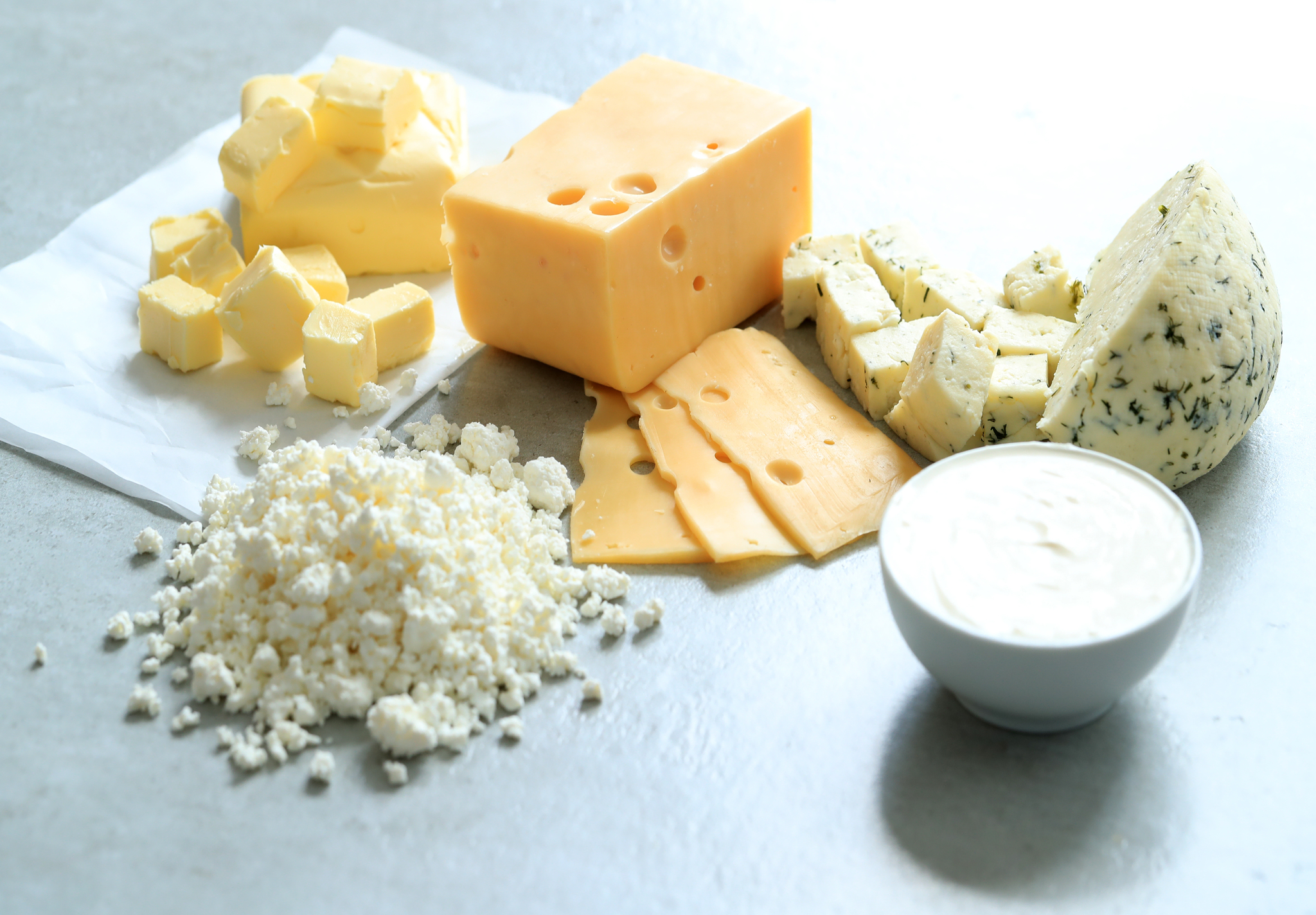
Table of Contents
- Understanding Calcium Chloride and Its Significance
- How Does Calcium Chloride Help in Cheese Manufacturing?
- Why Does Pasteurised Milk Reliably Rely on Calcium Chloride?
- What Types of Cheese Commonly Use Calcium Chloride?
- Why Does Product Quality Matter?
- What Should Buyers Look for in a Calcium Chloride Supplier?
- How Does Calcium Chloride Affect Cheese Yield?
- What About Pricing and Procurement?
- How Is Calcium Chloride Added During Cheese Production?
- Building Better Cheese Production with the Right Ingredients
Making cheese is a delicate process that relies on balance. The quality of milk, temperature, cultures, and ingredients all work together to create the perfect taste and texture. One ingredient that often helps in this process is food-grade calcium chloride used in cheese-making.
At Pyoraa, we know that reliable ingredients are key for consistent food batches. Our solutions support modern food production and quality standards.
Many people don't know that milk doesn't always have enough calcium to form curds properly. This is especially true with pasteurized milk. Calcium chloride is useful here because it improves coagulation, helps make better curds, and increases efficiency.
Understanding Calcium Chloride and Its Significance
Calcium chloride is a mineral salt that dissolves easily in water. In the food industry, it has many applications, including preservation, texture improvement, and moisture control.
The compound with CAS number 10035-04-8 is frequently used in food processing. Manufacturers favour calcium chloride dihydrate due to its stability and compatibility with food-grade procedures.
Pasteurising milk alters its natural calcium balance, which can slow or weaken curd formation. Adding calcium chloride helps restore this balance, aiding the cheese-making process.
The market primarily offers these common forms:
- Calcium chloride dihydrate powder for easy handling and mixing
- Food-grade liquid solutions for large-scale manufacturing
- Industrial packaging options for commercial food plants
Understanding the use of calcium chloride in cheese making helps processors enhance results while maintaining traditional methods.
How Does Calcium Chloride Help in Cheese Manufacturing?
The role of calcium chloride is simple but important. It supports the interaction between milk proteins during coagulation.
When rennet is added to milk, proteins begin forming curds. Calcium ions help strengthen these protein bonds. Without sufficient calcium, curd formation may become weak or delayed.
Key applications of calcium chloride in cheese making include:
- Improving curd firmness
- Reducing coagulation time
- Increasing cheese yield
- Minimising fat and protein losses in whey
- Supporting consistent texture across batches
These benefits make food-grade calcium chloride a top choice for cheese making, whether for small dairies or large food companies.
Why Does Pasteurised Milk Reliably Rely on Calcium Chloride?
Fresh raw milk naturally contains calcium in forms that support cheese production. Pasteurisation, while necessary for safety, changes this balance.
The heating process reduces the availability of calcium needed for proper protein binding. This often leads to softer curds and lower production efficiency.
Adding calcium chloride dihydrate helps restore the required mineral balance.
Manufacturers using pasteurized milk often rely on food grade calcium chloride for cheese because it provides:
- Better curd structure
- Improved moisture control
- Faster setting times
- Higher production consistency
- Reduced wastage during processing
Understanding how calcium chloride is used in cheese making is important for modern dairy companies.
What Types of Cheese Commonly Use Calcium Chloride?
Different cheese varieties often have unique production methods; however, many well-known types gain advantages from adding calcium chloride.
These include:
- Cheddar cheese
- Mozzarella cheese
- Cottage cheese
- Gouda cheese
- Swiss cheese
- Paneer and fresh cheese varieties
Food grade calcium chloride helps maintain cheese consistency amid varying milk quality. Cheese makers prefer calcium chloride dihydrate powder for its quick dissolution and accurate dosing.
Why Does Product Quality Matter?
Using food-grade ingredients is essential in any manufacturing process. Purity, consistency, and compliance directly affect the final product.
The chemical identifier 10035-04-8 helps buyers verify they select the correct food-grade material.
When assessing suppliers, companies need to consider:
- Product purity levels
- Food safety certifications
- Consistent particle size
- Reliable packaging options
- Technical support availability
Many manufacturers prefer calcium chloride dihydrate for reliable performance.
What Should Buyers Look for in a Calcium Chloride Supplier?
The supplier plays an important role in maintaining production quality.
A trusted calcium chloride supplier provides more than just a product. They also support consistency, documentation, and supply reliability.
Important factors to evaluate include:
- Food-grade compliance standards
- Batch consistency
- Proper storage recommendations
- Timely deliveries
- Technical assistance when required
Businesses that want to buy calcium chloride dihydrate should always review specifications carefully before placing large orders.
A dependable calcium chloride supplier helps manufacturers maintain smooth production schedules throughout the year.
How Does Calcium Chloride Affect Cheese Yield?
Yield matters in every dairy operation. Even small improvements can create significant cost benefits over time.
Manufacturers use food-grade calcium chloride in cheese making to help better preserve proteins. This leads to better curd formation and less nutrient loss during the whey separation.
Some practical benefits include:
- Increased cheese output from the same quantity of milk
- Better moisture management
- Reduced raw material losses
- Greater process efficiency
- Improved profitability
These advantages explain the growing interest in calcium chloride uses in cheese production among commercial dairy processors.
What About Pricing and Procurement?
Cost always influences purchasing decisions. However, price should be balanced with quality and reliability.
Many buyers compare the calcium chloride dihydrate price across suppliers before making procurement decisions. The lowest price does not always guarantee the best value.
Factors affecting calcium chloride dihydrate price include:
- Purity standards
- Packaging size
- Order quantity
- Transportation costs
- Supplier certifications
Companies planning to buy calcium chloride dihydrate should focus on long-term consistency rather than short-term savings.
High-quality calcium chloride dihydrate powder often delivers better performance and reduces production challenges.
How Is Calcium Chloride Added During Cheese Production?
The process is straightforward and easy to manage.
Generally, calcium chloride is dissolved in clean water before being added to milk. The quantity depends on milk quality and the type of cheese being produced.
Manufacturers usually follow standard operating procedures to ensure proper dosing.
Key practices include:
- Using food-grade materials only
- Measuring concentrations accurately
- Mixing thoroughly before adding rennet
- Following recommended storage conditions
- Maintaining hygiene throughout production
These methods help maximise the benefits of food grade calcium chloride for cheese manufacturing.
Building Better Cheese Production with the Right Ingredients
Cheese manufacturing depends on quality ingredients and reliable processes. Calcium chloride continues to play a valuable role in helping producers achieve consistent texture, stronger curds, and improved yields.
At Pyoraa, we believe supplying reliable food-grade ingredients benefits dairy manufacturers. We aim to deliver quality products that support smooth, efficient operations. Whether customers want to buy calcium chloride dihydrate or need guidance from a trusted calcium chloride supplier, we're here to support those needs.
For reliable solutions, competitive calcium chloride dihydrate price, and quality calcium chloride dihydrate powder, contact us today to see how the right ingredients can enhance your cheese production.
FAQs
FAQs for this blog will be updated soon.