Added Food-Grade Minerals in the Packaged Drinking Water Industry: A Vital Enhancement for Health and Taste
The packaged drinking water industry has evolved beyond mere hydration—today, it integrates added food-grade minerals to enhance both health benefits and taste. With growing consumer awareness about wellness and nutrition, mineral-enriched water has carved out a niche, offering functional advantages beyond basic refreshment.
Why Are Food-Grade Minerals Added to Water?
Natural water sources often contain essential minerals, but purification processes may strip them away. To compensate, manufacturers fortify packaged water with key minerals that provide several benefits, including:
Improved Hydration: Minerals like potassium and sodium aid in maintaining electrolyte balance.
Enhanced Taste: Calcium and magnesium influence water texture, giving it a smoother feel.
Health Benefits: Zinc and selenium contribute to immune support, while calcium strengthens bones.
Common Minerals Added to Packaged Drinking Water
Several food-grade minerals are commonly incorporated into bottled water formulations, ensuring consumers receive added nutrition:
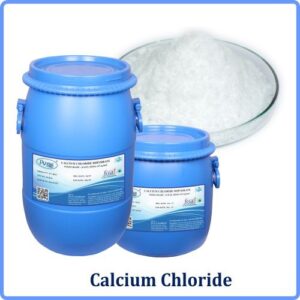
Calcium: Supports bone health and muscular function.
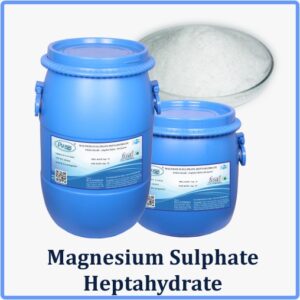
Magnesium: Aids in metabolism, nerve function, and muscle performance.
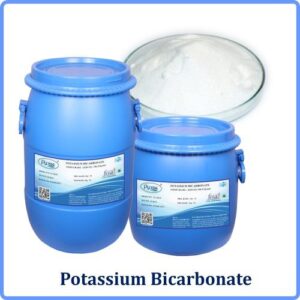
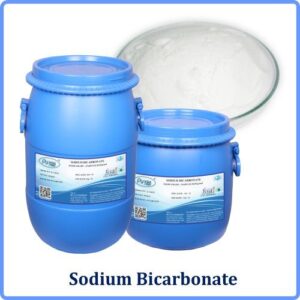
Sodium & Potassium: Help regulate hydration and bodily fluid balance.
- Zinc: Plays a role in immunity and wound healing.
Industry Trends and Consumer Demand
As consumers seek healthier alternatives to sugary beverages, mineral-enhanced drinking water is gaining traction. Some brands differentiate their products with specialized blends targeting hydration, performance, or immune health. Additionally, sustainability efforts in packaging and sourcing minerals ethically are becoming integral to industry practices.
Future Outlook
With advancements in nutritional science and technology, the packaged drinking water industry will continue refining mineral compositions to optimize health benefits while maintaining purity. Innovations such as personalized water formulations and eco-friendly packaging will likely shape the market further.
Mineral-added packaged drinking water is more than a convenience – it’s an investment in well-being. As demand rises, manufacturers must strike the right balance between science, sustainability, and consumer needs to stay ahead in this evolving industry.