CAS 144-55-8 Explained: Food-Grade Sodium Bicarbonate Properties, Standards & Applications
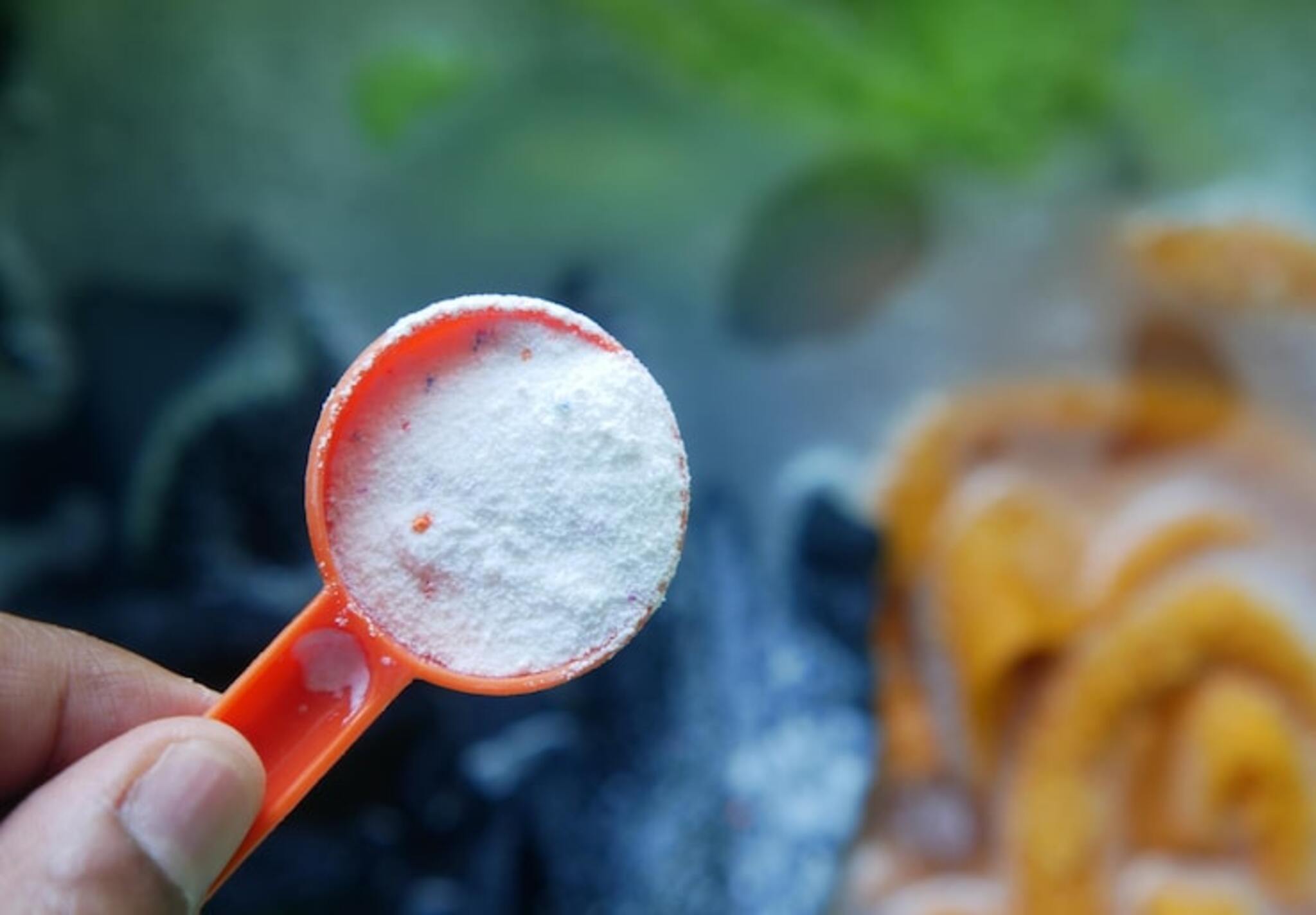
Table of Contents
- What Does CAS 144-55-8 Mean?
- What Makes Food-Grade Sodium Bicarbonate Different?
- Why Is Purity Important in Food Applications?
- Key Properties That Make Sodium Bicarbonate Valuable in Food Manufacturing
- Which Standards Should Food-Grade Sodium Bicarbonate Meet?
- How Does Food-Grade Sodium Bicarbonate Work in Food Processing?
- Why Is Sodium Bicarbonate Considered an Important Food Additive?
- Ensuring Quality with the Right Ingredient Partner
Food ingredients are expected to meet high standards of safety, purity, and consistency before they reach manufacturers or consumers. Whether they are used in bakery products, beverages, dairy items, or processed foods, every ingredient must perform reliably while complying with food safety regulations. One such widely used ingredient is food-grade sodium bicarbonate, which is identified by the CAS number 144-55-8.
Although many people know it as baking soda, its role in the food industry extends far beyond home baking. From acting as a leavening agent to supporting acidity control and food-processing functions, this ingredient is valued for its versatility. Understanding its properties, quality standards, and applications helps manufacturers choose the right ingredient for consistent product quality.
At Pyoraa, we focus on supplying food-grade ingredients that meet defined quality requirements for their intended applications. In this guide, we explain what 144-55-8 means, the characteristics of food-grade sodium bicarbonate, the standards it follows, and the industries that rely on it.
What Does CAS 144-55-8 Mean?
Every chemical substance has a unique identification number assigned by the Chemical Abstracts Service (CAS). This number helps manufacturers, suppliers, researchers, and regulatory authorities identify a substance accurately across different industries and countries.
The CAS number 144-55-8 identifies sodium bicarbonate as a chemical substance. It provides a consistent reference for identifying the substance regardless of the manufacturer or trade name.
Unlike trade or product names, which can vary between suppliers and markets, the CAS number provides a standard reference for the chemical substance. This reduces confusion during procurement, quality control, documentation, and international trade.
For food manufacturers, referring to 144-55-8 offers several advantages:
- It helps identify the correct ingredient during sourcing
- It supports accurate product documentation and traceability
- It simplifies communication between suppliers and manufacturers
- It supports accurate regulatory, procurement, and quality documentation.
- It helps reduce the risk of confusion between chemically different materials during procurement.
While the CAS number identifies the chemical substance, manufacturers must also ensure they purchase food-grade sodium bicarbonate, which is produced and tested according to food safety standards.
What Makes Food-Grade Sodium Bicarbonate Different?
Not every form of sodium bicarbonate is suitable for food applications. The manufacturing process, purity level, quality testing, and regulatory compliance determine whether it can safely be used in food production.
Food-grade sodium bicarbonate is manufactured and tested according to applicable food-grade quality and safety requirements. It is subject to quality controls and testing intended to verify its chemical composition, purity, and compliance with applicable specifications.
Sodium bicarbonate is commonly supplied as a white crystalline powder that can be incorporated into dry formulations or dissolved in suitable liquid systems.
Some of the defining characteristics include:
| Property | Description |
| Appearance | Fine white crystalline powder |
| Chemical formula | NaHCO? |
| CAS Number | 144-55-8 |
| Taste | Mildly alkaline |
| Solubility | Easily dissolves in water |
| Food function | Leavening agent, acidity regulator, processing aid |
Its consistent quality allows manufacturers to achieve predictable results across different food production batches.
When comparing supplier listings, note that the generic term Sodium Bicarbonate Chemical is sometimes used loosely across food, technical, and pharmaceutical grades, so grade should always be confirmed in writing.
Why Is Purity Important in Food Applications?
Food ingredients directly affect product safety, taste, texture, and shelf life. Even small variations in ingredient quality can influence the final product. That is why manufacturers often choose pure sodium bicarbonate that complies with recognised food-grade specifications.
High-purity material provides greater consistency throughout manufacturing while helping maintain product quality across different production runs.
Using pure sodium bicarbonate offers several practical benefits:
- Consistent reaction during baking and food processing
- Reliable product quality across multiple batches
- Better compatibility with other food ingredients
- Reduced chances of unwanted impurities affecting the finished product
- Improved compliance with food safety expectations
Purity also supports easier quality assurance, especially for manufacturers supplying products to domestic and international markets where ingredient documentation is closely reviewed.
Key Properties That Make Sodium Bicarbonate Valuable in Food Manufacturing
The popularity of food-grade sodium bicarbonate stems from its ability to serve several important functions in a single ingredient. Instead of serving only one purpose, it contributes to product texture, flavour, processing efficiency, and stability.
Some of its important functional properties include:
- Excellent Leavening Performance
When combined with acidic ingredients and exposed to moisture or heat, sodium bicarbonate powder releases carbon dioxide gas. These gas bubbles create lighter textures in baked goods such as cakes, biscuits, muffins, and breads.
- Effective pH Regulation
Maintaining the right acidity level is essential in many food products. Food-grade sodium bicarbonate helps regulate pH, supporting consistent flavour, product stability, and processing performance.
- High Solubility
Its rapid solubility allows manufacturers to use it in both dry and liquid food formulations without causing mixing difficulties.
- Stable Storage Characteristics
When stored correctly in dry conditions, pure sodium bicarbonate remains chemically stable for extended periods, making inventory management easier for food manufacturers.
- Reliable Manufacturing Performance
Because it reacts consistently under controlled conditions, manufacturers can maintain product quality while reducing batch-to-batch variation.
These functional properties explain why the ingredient remains widely used across multiple food-processing industries.
Which Standards Should Food-Grade Sodium Bicarbonate Meet?
Food manufacturers cannot rely on chemical identity alone when selecting ingredients. Along with the CAS number 144-55-8, they also look for compliance with recognised food quality standards. These standards help ensure that the ingredient is suitable for food production and performs consistently across different applications.
A reliable supplier should provide products that meet applicable food-grade specifications along with supporting quality documentation. This improves traceability and gives manufacturers greater confidence during audits and regulatory reviews.
Some of the common expectations include:
- Compliance with recognised food-grade quality specifications
- Consistent chemical composition across production batches
- Controlled manufacturing and quality assurance processes
- Proper packaging that preserves product quality during storage and transport
Choosing a trusted supplier also reduces the chances of quality variations that may affect finished food products.
How Does Food-Grade Sodium Bicarbonate Work in Food Processing?
The popularity of food-grade sodium bicarbonate comes from its ability to perform multiple functions within a single formulation. Rather than serving only one purpose, it supports product quality throughout different stages of food manufacturing.
Some of the major food-grade sodium bicarbonate uses include:
| Application | Function |
| Bakery products | Produces carbon dioxide for leavening and improved texture |
| Biscuits and cookies | Creates light, crisp, and uniform structure |
| Cakes and muffins | Supports consistent volume and softness |
| Beverage processing | Helps regulate acidity in selected formulations |
| Dairy products | Assists with pH adjustment during processing |
| Confectionery | Supports controlled processing conditions |
| Processed foods | Contributes to formulation consistency |
Its versatility allows manufacturers to use the same ingredient across multiple product categories while maintaining consistent production performance.
Why Is Sodium Bicarbonate Considered an Important Food Additive?
Consumers often associate food additives with artificial ingredients, but many food additives perform essential functions that improve food quality and manufacturing consistency. Sodium bicarbonate is one such example.
It has been safely used in food processing for decades because it performs important technical functions without changing the natural character of the finished product when used appropriately.
As a sodium bicarbonate food additive, it helps:
- Improve the texture of baked products
- Maintain consistent product quality
- Support controlled pH levels during processing
- Improve manufacturing efficiency
- Deliver predictable performance across large production batches
Its wide acceptance across the food industry reflects both its safety profile and its reliable functionality.
Ensuring Quality with the Right Ingredient Partner
Understanding 144-55-8 is about more than recognising a CAS number. It helps manufacturers identify a trusted ingredient that supports safe, consistent, and high-quality food production. From its reliable chemical properties to its wide range of food-grade sodium bicarbonate uses, this ingredient continues to play an important role across the food industry.
At Pyoraa, we are committed to supplying food-grade sodium bicarbonate that meets the quality expectations of modern food manufacturers. Our focus on consistency, purity, and dependable supply helps businesses source ingredients with greater confidence for a wide range of food applications.
If you are looking for high-quality sodium bicarbonate powder backed by reliable quality standards and professional support, our team is ready to help you find the right solution for your manufacturing needs.
FAQs
FAQs for this blog will be updated soon.