Sodium Bicarbonate as a Food Additive: Functions, Permitted Uses and Regulatory Standards
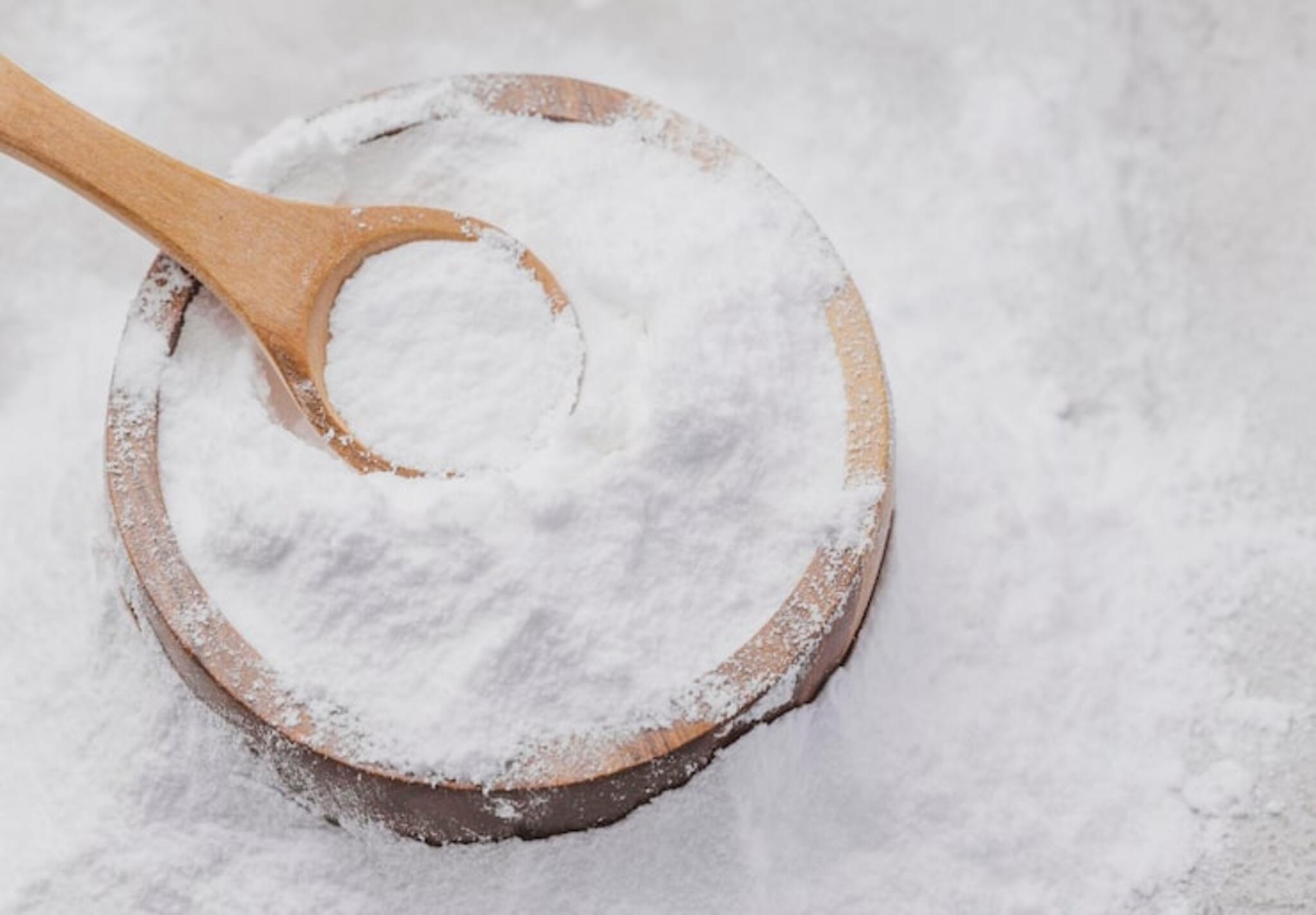
Table of Contents
- What is Sodium Bicarbonate and Why is it Used in Food?
- How Does Sodium Bicarbonate Work as a Food Additive?
- What are the Common Sodium Bicarbonate Food Additive Uses?
- Why is Food Grade Sodium Bicarbonate Different?
- What Regulatory Standards Govern Sodium Bicarbonate?
- How Can Manufacturers Ensure Regulatory Compliance?
- Factors to Consider Before Choosing a Supplier
- Supporting Safe and Consistent Food Manufacturing with the Right Ingredients
Food additives play an important role in maintaining the quality, texture, safety, and consistency of many everyday food products. From baked goods and snacks to beverages and processed foods, manufacturers rely on approved ingredients to achieve reliable results while meeting food safety requirements. One such widely accepted ingredient is sodium bicarbonate food additive, known for its versatility and long history of safe use.
Although many people recognise sodium bicarbonate as baking soda, its applications in the food industry go far beyond home baking. It helps improve texture, supports leavening, regulates acidity, and contributes to product stability across different food categories. However, its use is governed by strict quality standards and regulatory guidelines to ensure consumer safety.
At Pyoraa, we understand the importance of supplying high-quality food grade sodium bicarbonate that meets industry expectations and regulatory requirements. In this guide, we explain its functions, approved applications, and the standards manufacturers should consider before using it in food production.
What is Sodium Bicarbonate and Why is it Used in Food?
Sodium bicarbonate chemical is an alkaline compound with the chemical formula NaHCO?. It appears as a fine white crystalline powder and dissolves easily in water. When combined with acids or exposed to heat, it releases carbon dioxide gas, making it one of the most widely used food processing ingredients.
Its popularity comes from its ability to perform several important functions within a single formulation.
Some of the key reasons manufacturers use sodium bicarbonate food additive include:
- Acts as a reliable leavening agent in bakery products
- Helps maintain the desired pH in food formulations
- Improves product texture and volume
- Supports consistent processing across production batches
- Enhances the appearance and eating quality of finished products
- Offers excellent compatibility with several food ingredients
Because of these advantages, it remains one of the most trusted food additives across the global food industry.
How Does Sodium Bicarbonate Work as a Food Additive?
The performance of sodium bicarbonate food additive depends on the type of food and the processing conditions involved.
When it reacts with acidic ingredients such as cream of tartar, citric acid, or certain dairy ingredients, carbon dioxide is released. These gas bubbles expand during baking or heating, creating a lighter and softer product.
Besides leavening, it also performs several other important functions.
| Function | Benefit in Food Processing |
| Leavening | Produces carbon dioxide for better rise |
| Acidity regulation | Maintains balanced pH levels |
| Texture improvement | Creates softer and lighter products |
| Processing aid | Supports consistent manufacturing |
| Stability | Helps maintain product quality during production |
These multiple benefits explain why sodium bicarbonate food additive uses extend across many food categories.
What are the Common Sodium Bicarbonate Food Additive Uses?
The food industry uses sodium bicarbonate in both traditional and modern food processing. Its versatility makes it suitable for several product categories.
- Bakery Products
Bakery remains one of the largest applications for food grade sodium bicarbonate. It helps create soft textures, improves volume, and gives baked products a uniform crumb structure. Cakes, muffins, cookies, biscuits, pancakes, and breads all benefit from controlled gas release during baking.
- Snack Foods
Many savoury snacks use sodium bicarbonate food additive to improve crispness and overall texture. It also supports better expansion during processing, resulting in lighter products with consistent quality.
- Beverages
Certain powdered beverage mixes use sodium bicarbonate chemical as an acidity regulator to achieve the desired balance between taste and stability.
- Confectionery
Confectionery manufacturers may include it to control acidity and improve processing efficiency for selected products.
- Processed Foods
Several processed foods require pH control to maintain product consistency during manufacturing. Some common examples include:
- Ready-to-cook food products
- Instant food mixes
- Seasoning blends
- Processed vegetable products
- Selected dairy-based preparations
These applications demonstrate the broad range of sodium bicarbonate food additive uses across food manufacturing.
Why is Food Grade Sodium Bicarbonate Different?
Not every sodium bicarbonate product is suitable for food manufacturing. Industrial-grade materials may contain impurities or fail to meet food safety specifications. Food manufacturers must therefore source only food grade sodium bicarbonate that complies with recognised quality standards.
Food-grade material is manufactured under controlled conditions and tested for parameters such as purity, moisture, heavy metals, and overall compliance.
Some important characteristics include:
- High purity suitable for food applications
- Controlled manufacturing processes
- Consistent particle size
- Reliable product performance
- Compliance with applicable food regulations
- Batch-wise quality testing
Selecting certified food grade sodium bicarbonate helps manufacturers maintain both product quality and regulatory compliance.
What Regulatory Standards Govern Sodium Bicarbonate?
Food additives are carefully regulated before they can be used in commercial food production. Regulatory authorities evaluate safety, purity, permitted applications, and acceptable usage levels. Depending on the market, manufacturers may need to comply with different regulations.
Some commonly recognised authorities include:
- Food Safety and Standards Authority of India (FSSAI)
- Codex Alimentarius Commission
- United States Food and Drug Administration (FDA)
- European Food Safety Authority (EFSA)
These organisations establish guidelines regarding food additive safety, permitted food categories, labelling requirements, and purity specifications.
Manufacturers should always verify the latest regulatory requirements applicable to their target market before using sodium bicarbonate food additive in commercial production.
How Can Manufacturers Ensure Regulatory Compliance?
Meeting regulatory standards involves more than selecting the right ingredient. It requires a complete quality assurance process throughout sourcing and production.
Manufacturers should consider the following practices:
- Source ingredients from reliable suppliers
- Verify certificates of analysis for every batch
- Maintain proper storage conditions
- Follow recommended usage levels
- Keep detailed documentation for quality audits
- Conduct routine quality testing where applicable
These measures help ensure that food grade sodium bicarbonate performs consistently while supporting regulatory compliance.
Factors to Consider Before Choosing a Supplier
The quality of a food additive directly influences the quality of the finished product. Choosing a dependable supplier is therefore an important business decision.
Before purchasing sodium bicarbonate chemical, manufacturers should evaluate several factors.
| Evaluation Factor | Why it Matters |
| Product purity | Supports food safety and product consistency |
| Manufacturing standards | Indicates controlled production practices |
| Regulatory documentation | Simplifies compliance requirements |
| Batch consistency | Reduces production variations |
| Packaging quality | Protects product during storage and transport |
| Technical support | Helps resolve application-related queries |
Working with an experienced supplier also provides greater confidence in long-term production planning.
Supporting Safe and Consistent Food Manufacturing with the Right Ingredients
Understanding how sodium bicarbonate food additive functions, where it can be used, and the regulations that govern its application helps manufacturers make informed decisions. From improving texture and controlling acidity to supporting consistent production, it remains an essential ingredient across many food categories. Choosing high-quality food grade sodium bicarbonate from a reliable supplier also plays a key role in meeting food safety standards and maintaining product consistency.
At Pyoraa, we are committed to supplying premium food grade sodium bicarbonate that meets the quality and compliance requirements of the food industry. With a focus on consistency, dependable supply, and industry standards, we help food manufacturers source ingredients they can trust for a wide range of food applications.
Looking for a reliable supplier of food grade sodium bicarbonate? Get in touch with our team to find the right solution for your food manufacturing needs.
FAQs
FAQs for this blog will be updated soon.