

Which Minerals Are Added to Drinking Water and in What Quantity?
Concerned about bland or nutrient-poor water? Mineral additives for drinking water make every sip healthier and more refreshing.
Clean water is essential, but plain or distilled water often lacks the minerals our bodies need. That’s where mineral additives for drinking water come in. They help restore essential nutrients while improving taste and overall quality.
Using distilled water mineral additives ensures that every sip delivers the right balance of calcium, magnesium, and other vital minerals. This not only supports health but also makes water more enjoyable to drink.
For businesses and manufacturers, incorporating mineral additives for water is key to delivering safe, high-quality products that consumers trust. From bottled water to flavoured beverages, the right additives make a noticeable difference in taste, health benefits, and customer satisfaction.
Why Mineral Additives Are Essential for Water
Even clean water can lack essential minerals that our bodies need daily. Mineral additives for water help restore these nutrients, making water not just safe to drink but also beneficial for health.
Key reasons they are essential:
- Maintain Mineral Balance: Adds calcium, magnesium, and potassium to support bones, muscles, and overall health.
- Improve Taste: Minerals enhance flavour, making water more refreshing and enjoyable.
- Support Hydration: Balanced minerals help the body absorb water more effectively.
- Consumer Confidence: Water with regulated additives signals safety and quality.
Using the right drinking water mineral additives ensures that both bottled and distilled water meet health standards while providing a consistent, pleasant taste.
Mineral Components Used in Drinking Water
Different minerals serve different purposes in water. Choosing the right drinking water mineral additives ensures safety, taste, and health benefits.
Common types include:
- Calcium: Strengthens bones, improves taste, and balances pH.
- Magnesium: Supports heart and muscle function while enhancing water flavour.
- Potassium: Helps maintain electrolyte balance and supports hydration.
- Sodium: Often added in controlled amounts for taste and mineral balance in certain water types.
Using distilled water mineral additives helps restore vital nutrients removed during purification, ensuring the water is balanced, healthy, and enjoyable. Manufacturers and bottlers rely on mineral additives for water to maintain consistent quality, improve taste, and meet regulatory standards.
Benefits of Using Mineral Additives for Water
Incorporating mineral additives for water offers several advantages for both consumers and manufacturers. These additives improve taste, safety, and nutritional value, making every sip more beneficial.
Key benefits include:
- Enhanced Taste: Minerals such as calcium and magnesium enhance flavour and make water more refreshing.
- Health Support: Balanced minerals help maintain bones, muscles, and overall hydration.
- Consistent Quality: Ensures every batch of bottled or distilled water has the same taste and mineral content.
- Consumer Confidence: Using regulated additives signals that the water is safe, healthy, and high-quality.
- Regulatory Compliance: FSSAI-approved additives comply with safety standards for consumption.
Using the proper drinking water mineral additives helps businesses provide water that is both safe and consistently enjoyable for consumers. It also helps maintain consistency in taste and quality across every batch.
How Mineral Additives Improve Water Quality and Consistency
Water quality isn’t just about purity. It’s also about balance, taste, and consistency. Mineral additives for water help achieve this balance by correcting mineral loss during processing and purification.
Here’s how mineral additives make a difference:
- Restore Natural Balance: Processing often removes essential minerals, and additives help replenish them.
- Ensure Consistent Taste: Maintain consistent flavour across batches and locations.
- Support Long-Term Consumption: Proper mineral levels make water suitable for daily intake.
- Improve Product Stability: Balanced minerals reduce the risk of flat taste or imbalance over time.
For bottled and packaged water, using the right drinking water mineral additives ensures every bottle delivers the same quality, freshness, and mineral balance consumers expect.
Common Myths About Water Mineral Additives
There are many misconceptions around mineral additives for drinking water, which often lead to confusion among consumers and businesses. Let’s clear up some common myths with simple facts.
- Myth 1: Mineral additives are artificial and unsafe
- Fact: Approved mineral additives are carefully tested and safe for regular consumption when used correctly.
- Myth 2: Added minerals spoil the taste of water
- Fact: The right mineral balance actually improves taste and makes water more refreshing.
- Myth 3: Pure or distilled water does not need minerals
- Fact: Water without minerals may lack essential nutrients, which is why distilled water mineral additives are used to restore balance.
- Myth 4: All mineral additives work the same way
- Fact: Different minerals serve different purposes, and the right combination is key to quality and consistency.
Understanding these facts helps businesses and consumers make informed choices, ensuring water remains safe, balanced, and enjoyable for daily use.
Tips for Maintaining Mineral Balance in Packaged Water
Maintaining mineral balance in packaged water is not a one-time task. It requires attention at every stage, from purification to final packaging. Even small gaps in the process can affect taste and consumer experience.
Simple practices that support better mineral balance:
- Start with Consistent Source Water: A stable input water source makes mineral correction more accurate.
- Adjust Minerals After Purification: Adding minerals post-treatment provides greater control over the final composition.
- Standardise Formulations: Fixed mineral ratios help avoid taste variations between batches.
- Validate Through Sensory Testing: Regular taste checks help identify imbalances early.
- Track Batch Performance: Monitoring past results helps maintain long-term consistency.
Applying the right mineral additives for water at the correct stage ensures packaged water remains balanced, pleasant to drink, and suitable for everyday consumption.
The Value of Balanced Minerals in Drinking Water
Balanced minerals play a key role in making drinking water healthy, refreshing, and suitable for daily consumption. From improving taste to supporting hydration, mineral additives for drinking water help ensure water delivers more than just purity. Whether it’s packaged or distilled, the right mineral balance makes a noticeable difference.
For businesses seeking reliable drinking water mineral additives, Pyoraa offers solutions that ensure consistency, safety, and quality. With a focus on carefully formulated distilled water mineral additives, the brand helps manufacturers meet expectations while maintaining the natural feel and taste of water.
We focus on helping water brands achieve the right mineral balance without complexity. Our expertise in mineral additives for water ensures consistent quality across batches, keeping the water safe, enjoyable, and trusted by consumers. Partnering with us means building products that stand out for the right reasons.
FSSAI Approved Food-Grade Mineral Additives for Safety, Taste & Mineral Balance
Worried about safety and taste in your food and beverages? FSSAI approved mineral additives make every product healthier and more reliable.
In today’s food and beverage industry, safety and taste are non-negotiable. That’s where FSSAI approved mineral additives come in. They not only enhance flavour but also maintain the essential mineral balance your products need.
Food grade mineral additives in India are carefully tested to meet strict safety standards. From packaged drinks to processed foods, these additives ensure that every bite and sip is both delicious and safe for consumers.
With rising awareness about health and quality, businesses are increasingly turning to mineral additives for the food and beverage industry to deliver reliable, high-quality products that customers trust.
What Are Food-Grade Mineral Additives?
Food grade mineral additives in India are specially processed minerals added to food and beverages to improve safety, taste, and nutritional value. These additives ensure that products maintain the right balance of essential minerals without compromising quality.
Some common examples include:
- Calcium salts for stronger bones and improved texture in dairy products.
- Magnesium compounds to support health and stabilize beverages.
- Iron additives for fortifying cereals and drinks with essential nutrients.
- Zinc and potassium to enhance overall mineral balance in packaged foods.
Using these additives helps manufacturers:
- Maintain consistent taste across batches.
- Meet nutritional standards set by regulatory bodies.
- Extend shelf life while keeping products safe.
With trusted sources like Pyoraa, businesses can access high-quality mineral additives for the food and beverage industry, ensuring products are both safe and enjoyable for consumers. These additives also help manufacturers maintain nutritional balance and consistent taste across every batch.
Why FSSAI Approval Matters
Using FSSAI approved mineral additives is essential for ensuring that food and beverages meet strict safety and quality standards. FSSAI approval ensures that additives are tested, safe, and compliant with Indian regulations.
Key reasons FSSAI approval is important:
- Consumer Safety: Ensures products are free from harmful contaminants.
- Quality Assurance: Confirms the additives meet consistent quality standards.
- Regulatory Compliance: Helps businesses avoid legal issues and maintain credibility.
- Trust & Reputation: Builds customer confidence by demonstrating a commitment to safe, high-quality products.
For the food and beverage industry, using approved mineral additives isn’t just a regulatory requirement; it’s a way to demonstrate responsibility and care for consumers’ health.
Benefits of Using Mineral Additives in Food and Beverages
Incorporating mineral additives for the food and beverage industry offers multiple advantages for both manufacturers and consumers. These additives do more than just meet safety standards; they enhance overall product quality.
Key benefits include:
- Improved Taste: Minerals like magnesium and calcium can enhance flavour and texture.
- Nutritional Balance: Provides essential minerals that support health, including iron, zinc, and potassium.
- Extended Shelf Life: Certain mineral additives help maintain freshness and prevent spoilage.
- Consistency Across Batches: Ensures every product tastes and performs the same.
- Consumer Confidence: Products with regulated mineral additives signal quality and safety.
For example, packaged juices, dairy products, and fortified snacks often rely on food grade mineral additives in India to deliver the right taste and nutrition consistently.
The Role of Mineral Additives in Bottled Water
Mineral additives for packaged drinking water play a key role in enhancing taste, safety, and nutritional value. Adding essential minerals ensures that water not only quenches thirst but also supports overall health.
Why mineral additives matter in packaged water:
- Improved Taste: Minerals like calcium and magnesium give water a fresh, pleasant flavour.
- Balanced Nutrition: Helps maintain essential mineral levels in daily consumption.
- Safety Assurance: FSSAI-approved additives guarantee the water meets strict safety standards.
- Consumer Trust: Bottled water with regulated minerals reassures customers about quality.
From bottled drinking water to flavored beverages, using the right mineral additives ensures consistency and safety across every batch. Choosing high-quality additives also reduces the risk of off-taste or mineral imbalances.
How to Select the Best Mineral Additives for Your Business
Selecting the right mineral additives for the food and beverage industry is crucial for product safety, taste, and customer satisfaction. Making the right choice ensures regulatory compliance and delivers consistent quality.
Tips for choosing the right additives:
- Check FSSAI Approval: Always select additives that meet regulatory standards.
- Consider Purity and Solubility: High-purity minerals dissolve easily and integrate seamlessly into products.
- Match Product Needs: Different foods and beverages require specific minerals for taste and nutrition.
- Source from Trusted Providers: Reliable suppliers ensure consistent quality and timely delivery.
- Test for Compatibility: Conduct small-scale trials to confirm the additive works well with your formulation.
Sourcing high-quality food grade mineral additives in India is easy with Pyoraa, helping your products stay safe, nutritious, and consistently enjoyable for consumers.
Common Myths About Mineral Additives
Despite their benefits, mineral additives for the food and beverage industry are often misunderstood. Many people confuse them with artificial chemicals or think they compromise taste. Let’s clear up some common myths:
- Myth 1: Mineral additives are artificial and unsafe
- Truth: Only FSSAI approved mineral additives are allowed in food and beverages. These are thoroughly tested for safety and quality.
- Myth 2: They change the taste negatively
- Truth: When used correctly, additives enhance taste and maintain consistency across batches.
- Myth 3: They are only needed for processed foods
- Truth: Mineral additives benefit a wide range of products, including packaged drinking water, juices, dairy, and fortified snacks.
- Myth 4: Natural alternatives are always better
- Truth: While natural minerals are good, food grade mineral additives in India provide controlled dosage, safety, and regulatory compliance that natural sources cannot always guarantee.
Clearing these misconceptions helps manufacturers make informed choices, ensuring products are safe, tasty, and compliant with standards. It also builds trust among consumers who value quality and nutrition.
Your Partner in Safe and Nutritious Products
Using FSSAI approved mineral additives is essential for maintaining safety, taste, and nutritional balance in today’s food and beverage industry. From packaged drinking water to fortified foods, these additives help manufacturers deliver high-quality products that consumers can trust.
For businesses looking to source reliable food grade mineral additives in India, Pyoraa provides high-quality solutions that meet regulatory standards. Our range of mineral additives for the food and beverage industry ensures consistency, safety, and enhanced product quality, making it easier to meet both consumer expectations and compliance requirements.
We understand the challenges of balancing safety, taste, and nutrition. With our expertise, our team helps businesses select the right mineral additives for packaged drinking water and other products, ensuring every batch meets the highest standards. Partnering with us means your products stay safe, enjoyable, and trusted by customers.
Uses of Food-Grade Magnesium Sulphate Heptahydrate in the Food Industry
Ever wondered how certain foods naturally maintain their firmness and nutritional balance? The secret often lies in food-grade magnesium sulphate heptahydrate.
Maintaining the right texture and nutritional balance is a key challenge in the food industry. Many processed foods, beverages, and fortified products rely on specific compounds to achieve consistent quality. One such ingredient that plays a crucial role is food-grade magnesium sulphate heptahydrate.
This compound is widely used by food manufacturers for its ability to firm vegetables, support fermentation, and enhance mineral content. Its solubility and safety as a food-grade ingredient make it ideal for applications across canned foods, beverages, and nutraceuticals. Working with trusted magnesium sulphate suppliers in India ensures that businesses receive high-quality material that meets regulatory standards.
By incorporating magnesium sulphate heptahydrate, industries can improve both the functional and nutritional aspects of their products. Beyond maintaining texture, it helps fortify foods with essential magnesium, contributing to health-conscious, compliant food offerings.
What is Food-Grade Magnesium Sulphate Heptahydrate?
Food-grade magnesium sulphate heptahydrate is a white crystalline compound commonly used in the food industry. It is highly soluble and recognized for its safety and purity.
Key aspects of this ingredient include:
- Purity and Safety:
Produced under strict food-grade standards, ensuring minimal impurities and safe consumption.
- Regulatory Compliance:
Meets international specifications (E518) and is suitable for beverages, fortified foods, and nutraceutical applications.
- Functional Properties:
Helps firm vegetables, aids fermentation, and maintains product consistency.
- Ease of Use:
Quickly dissolves in water, making it versatile for various food and beverage formulations.
With its combination of safety, versatility, and functional benefits, food-grade magnesium sulphate heptahydrate is a trusted choice for manufacturers looking to enhance both texture and nutritional value in their products.
Key Uses in the Food Industry
Food-grade magnesium sulphate heptahydrate plays multiple roles, helping manufacturers maintain quality, nutrition, and consistency. Its versatility makes it essential across various food applications:
- Firming Agent for Vegetables:
Helps canned and processed vegetables retain their shape and texture, ensuring a crisp bite for consumers.
- Nutrient Fortification:
Adds essential magnesium to foods and beverages, supporting nutritional balance in fortified products and functional drinks.
- Brewing & Fermentation Aid:
Regulates water hardness, which influences yeast activity and fermentation efficiency in beverages such as beer and kombucha.
- Tofu & Dairy Applications:
Acts as a coagulant in tofu production and supports specific dairy processing needs, improving consistency and yield.
- Mineral Water & Beverages:
Enhances mineral content naturally, making packaged drinking water and other beverages healthier without altering taste.
By incorporating magnesium sulphate heptahydrate, food manufacturers can improve product quality, meet nutritional requirements, and ensure consistency, all while complying with safety standards. Recognized magnesium sulphate suppliers in India provide high-purity material that supports these applications seamlessly.
Role of Magnesium Sulphate in Nutritional Enhancement
Magnesium is a vital mineral for the human body. Food products enriched with magnesium support muscle function, nerve health, and bone strength. That’s where food-grade magnesium sulphate heptahydrate comes in.
It contributes to nutrition in several practical ways:
- Fortifying Drinks Naturally:
Dissolves easily in mineral water and juices, boosting magnesium content without changing taste.
- Enhancing Everyday Foods:
Used in processed foods like canned vegetables, ready-to-eat meals, and snacks to improve their mineral profile.
- Supporting Health Products:
Integral to nutraceuticals and dietary supplements, providing a reliable source of magnesium.
- Meeting Consumer Expectations:
As more people seek nutrient-rich foods, this ingredient helps manufacturers offer healthier options.
By adding magnesium sulphate heptahydrate, the food industry can deliver products that are both nutritious and compliant with food safety standards. Choosing credible magnesium sulphate suppliers in India ensures consistency, purity, and easy integration into recipes.
How Suppliers Support Food Industry Standards
Ensuring every batch of food-grade magnesium sulphate heptahydrate meets strict standards can be challenging for manufacturers. Reliable suppliers take the complexity out of compliance by providing clear guidance and verified products. Their expertise helps industries focus on production without worrying about regulatory gaps.
- Deliver certified and lab-tested products ready for immediate use.
- Maintain traceability with detailed audit documentation.
- Advise on proper storage, handling, and dosage to ensure consistent results.
- Monitor quality parameters to prevent contamination or non-compliance.
- Provide timely support to avoid disruptions in manufacturing processes.
By choosing suppliers who combine experience with quality assurance, food manufacturers can simplify compliance and focus on creating better products. Pyoraa ensures reliable sourcing and practical support, helping industries maintain high standards without added stress.
Benefits of Using Trusted Food-Grade Magnesium Sulphate
Using high-quality food-grade magnesium sulphate heptahydrate can transform food production in several ways. It goes beyond just meeting regulatory requirements; it enhances consistency, reliability, and nutritional value in products.
- Ensures every batch meets food-grade standards, reducing the risk of contamination or quality issues.
- Helps maintain consistent texture, firmness, and overall product appearance in processed foods.
- Supports nutritional enrichment, allowing manufacturers to deliver magnesium-fortified foods and beverages.
- Simplifies audit and inspection compliance by providing verified documentation and traceability.
- Reduces operational hiccups through reliable supply and technical guidance from experienced suppliers.
By sourcing from reputable magnesium sulphate suppliers in India, manufacturers can achieve smoother production, safer products, and consistent results. This makes it easier to meet consumer expectations while maintaining high standards across every batch.
Setting Standards for Safe and Healthy Foods
High-quality food production depends on ingredients that ensure consistency, safety, and nutritional value. Food-grade magnesium sulphate heptahydrate helps maintain texture, fortify products, and support reliable food manufacturing processes.
Since 1996, Pyoraa has decades of experience, offering certified, FSSAI-approved formulations and expert guidance on integrating magnesium sulphate into food production while meeting strict industry standards. The combination of technical knowledge and quality assurance ensures smooth operations and compliance with food regulations.
Partnering with established magnesium sulphate suppliers in India enables businesses to achieve consistent quality, improved efficiency, and nutritious products. This approach allows food manufacturers to focus on innovation and product excellence without compromise.
Why Food Manufacturers Choose Sodium Bicarbonate Powder
Behind every perfectly baked cake and balanced beverage is an ingredient that quietly ensures consistency, sodium bicarbonate powder. In this blog, we explore why food manufacturers rely on it and what makes it indispensable.
Food manufacturing requires precision, consistency, and close attention to detail. Every ingredient contributes to the final product’s quality, and even small variations can affect taste, texture, and safety. Sodium bicarbonate powder is one such ingredient that quietly supports flawless results in baking, beverages, and processed foods.
Its role goes far beyond simply raising dough or balancing acidity. High-quality sodium bicarbonate powder ensures consistent performance, supports regulatory compliance, and prevents operational issues caused by impure or inconsistent batches. Choosing the right ingredient is important—but choosing the right sodium bicarbonate supplier is just as critical.
This blog guides food manufacturers through the practical uses of sodium bicarbonate powder, highlights risks linked to low-quality products and explains what to evaluate before sourcing. By the end, readers will understand how the right ingredient and supplier can improve efficiency, maintain product integrity, and strengthen consumer trust.
What Makes Food-Grade Sodium Bicarbonate Different
Food production depends on ingredients that deliver predictable results every time. Sodium bicarbonate powder used in food applications is not just about chemical reaction—it’s about consistency, safety, and reliability. Food-grade variants are specially refined to ensure uniform performance across every batch.
What sets food-grade sodium bicarbonate powder apart:
1. Precision in Performance: Carefully processed to deliver consistent rising, buffering, and pH control in baked goods and beverages.
2. Safety Assured: Manufactured under strict food safety standards and free from harmful contaminants.
3. Reliable Documentation: Supplied with certificates, test reports, and compliance records to meet audit and regulatory requirements.
4. Batch-to-Batch Consistency: Maintains stable purity and particle size, ensuring predictable results in large-scale production.
By using certified food-grade sodium bicarbonate powder, manufacturers can reduce production risks, maintain quality benchmarks, and meet compliance requirements with confidence.
How Sodium Bicarbonate Powder Shapes Food Production
The role of food-grade sodium bicarbonate powder extends beyond basic functionality—it actively influences texture, flavour, and product stability. Its versatility makes it a key ingredient across multiple food categories.
Keyways sodium bicarbonate powder supports food manufacturing:
- Baking Performance: Reacts with acidic ingredients to release carbon dioxide, giving cakes, bread, and pastries proper volume and structure.
- Flavour Balance: Helps regulate pH levels, ensuring beverages, sauces, and processed foods maintain consistent taste profiles.
- Improved Dough Handling: Enhances dough texture and elasticity, making processing smoother and more efficient.
- Product Stability: Supports consistency in packaged foods and nutraceutical formulations, contributing to shelf-life stability.
High-quality sodium bicarbonate powder allows manufacturers to achieve uniform output, reduce wastage, and meet both consumer expectations and regulatory standards.
Risks of Using Low-Quality Sodium Bicarbonate Powder
Not all sodium bicarbonate powders deliver the same results. Using low-quality material can introduce avoidable risks into food production processes.
Common issues include:
- Inconsistent Results: Baked goods may rise unevenly, affecting texture and appearance.
- Flavour Variations: Impurities can alter taste or leave an undesirable aftertaste in beverages and sauces.
- Safety and Compliance Risks: Contaminants may lead to food safety concerns and regulatory non-compliance.
- Operational Disruptions: Inconsistent particle size or purity can affect mixing, dough handling, and overall process efficiency.
These challenges highlight why sourcing certified sodium bicarbonate powder from a reliable sodium bicarbonate supplier is essential for stable and efficient production.
Essential Checks Before Buying Sodium Bicarbonate Powder
Selecting the right sodium bicarbonate powder involves more than cost comparison. Food manufacturers should evaluate key quality and supply factors before sourcing.
Important checks include:
- Purity Standards: Confirm that the sodium bicarbonate powder meets food-grade specifications and is free from contaminants.
- Certifications and Documentation: Look for FSSAI approval, ISO compliance, and a certificate of analysis (COA).
- Supplier Expertise: An experienced sodium bicarbonate supplier can offer guidance on storage, handling, and application.
- Supply Consistency: Reliable availability ensures uninterrupted production and uniform product quality.
- Packaging Quality: Proper packaging protects the powder from moisture and contamination during storage and transport.
Careful evaluation helps manufacturers avoid disruptions and maintain consistent production standards.
How the Right Sodium Bicarbonate Supplier Adds Value
Sourcing sodium bicarbonate powder is not just a procurement decision—it is a quality decision. A dependable sodium bicarbonate supplier plays a key role in ensuring long-term production success.
A capable supplier supports manufacturers through:
- Consistent Quality: Uniform purity and performance across batches.
- Technical Guidance: Best practices for storage, handling, and usage.
- Regulatory Support: Complete documentation to meet food safety and audit requirements.
- Reliable Supply: Timely delivery that keeps production lines running smoothly.
With an experienced supplier like Pyoraa, food manufacturers benefit from dependable quality, regulatory confidence, and efficient operations backed by practical industry knowledge.
Ingredients That Make Every Batch Count
High-quality ingredients form the backbone of safe and consistent food production. Certified sodium bicarbonate powder helps maintain texture, flavour balance, and reliability across every batch.
With decades of experience and FSSAI-approved processes, Pyoraa, a trusted sodium bicarbonate supplier, delivers ingredients that meet strict quality and compliance standards. Each supply batch is designed to support smooth operations while minimizing production risks.
By carefully evaluating ingredient purity, supplier credentials, and compliance documentation, food manufacturers can reduce waste, maintain consistency, and protect product integrity—ensuring better outcomes for both businesses and consumers.
How Do Calcium Chloride Dihydrate Suppliers Support Regulatory Compliance for Industries
Wondering how industries stay compliant with strict standards? Find out how trusted calcium chloride dihydrate suppliers simplify the process.
Industries that use chemical additives such as calcium chloride dihydrate operate under strict regulatory frameworks. Even a minor lapse in quality, documentation, or handling can result in safety concerns, failed audits, or costly penalties. Staying compliant is not always straightforward, especially when regulations vary across industries.
This is where experienced calcium chloride dihydrate suppliers make a meaningful difference. Beyond supplying the material, they provide guidance on safe usage, ensure proper certifications are in place, and maintain consistency across every batch. With the right supplier support, compliance becomes more structured and dependable rather than reactive.
By partnering with knowledgeable suppliers, businesses gain more than raw materials. They gain technical expertise, regulatory clarity, and confidence—allowing them to focus on operations and growth without constant compliance concerns.
Why Regulatory Compliance Matters for Industries
Regulatory compliance is not merely a legal obligation; it is essential for safety, quality assurance, and long-term business credibility. Industries that overlook compliance expose themselves to operational and reputational risks.
Key reasons compliance matters include:
- Ensuring product and workplace safety
- Maintaining consistent quality standards
- Avoiding penalties, fines, or product recalls
- Protecting brand reputation and customer trust
- Supporting smooth audits and inspections
When compliance is treated as a priority rather than a checkbox, industries operate with greater stability. Working with reliable calcium chloride dihydrate suppliers helps businesses meet these standards consistently and with less operational stress.
What Role Do Calcium Chloride Dihydrate Suppliers Play?
Can suppliers truly make compliance easier? In practice, yes. Reputable calcium chloride dihydrate suppliers provide far more than material delivery.
Their role typically includes:
- Supplying tested, high-purity calcium chloride dihydrate that meets regulatory norms
- Providing batch-wise documentation and traceability
- Advising on safe handling, storage, and application
- Supporting audits and inspections with accurate records
- Offering technical assistance for industry-specific requirements
By working with experienced suppliers, industries reduce compliance risks, save internal effort, and ensure consistent quality across production cycles.
How Supplier Expertise Supports Compliance
Navigating regulatory requirements can be complex without expert guidance. This is where experienced calcium chloride dihydrate suppliers add real value.
1. Years of Industry Experience
Suppliers with long-standing industry exposure understand regulatory expectations across different sectors. Their insights help businesses apply calcium chloride dihydrate correctly while staying within compliance limits.
2. Certifications and Documentation
Certified suppliers maintain updated documentation such as ISO compliance, FSSAI approvals, and certificates of analysis. This simplifies audits and regulatory checks.
3. Quality Assurance Systems
Strict quality checks before dispatch ensure that every batch of calcium chloride dihydrate meets purity and safety standards.
With expert supplier support, compliance becomes part of routine operations rather than a recurring challenge.
Are All Suppliers Equipped to Meet Industry Standards?
Not all suppliers offer the same level of regulatory understanding or quality control. Industries must carefully evaluate their sourcing partners.
Top-tier calcium chloride dihydrate suppliers typically stand out through:
- Certified Products: Materials that meet ISO, food-grade, and safety requirements
- Proven Experience: A strong track record across regulated industries
- Consistent Quality Checks: Batch-level testing for purity and performance
- Practical Guidance: Clear advice on storage, handling, and usage
- Complete Documentation: Transparent records that simplify inspections
Suppliers like Pyoraa combine technical knowledge with compliance-focused processes, helping industries maintain consistent standards with confidence.
Why Choosing the Right Supplier Pays Off
A dependable supplier directly impacts how smoothly industries manage compliance and daily operations.
Key benefits of the right supplier partnership include:
- Better inventory planning and supply continuity
- Faster resolution of quality or usage concerns
- Clear guidance that prevents compliance errors
- Improved audit readiness through organized documentation
- Reduced risk of sudden quality or delivery inconsistencies
By working with established calcium chloride dihydrate suppliers, industries gain stability and better control over regulatory expectations.
A Balanced Approach to Industry Standards
Regulatory compliance is built through consistent practices, not one-time checks. For industries using calcium chloride dihydrate, this means focusing on reliable sourcing, correct usage, and accurate documentation at every stage.
With decades of hands-on experience in chemical and water treatment solutions since 1996, along with FSSAI-approved processes and registered formulations, Pyoraa brings practical insight into real-world compliance requirements.
Collaborating with experienced calcium chloride dihydrate suppliers allows industries to meet regulatory standards smoothly, reduce disruptions, and maintain long-term operational confidence.
Things to Check Before You Buy Potassium Bicarbonate for Food Use
Buying potassium bicarbonate for food use? Knowing what to check first can help prevent quality and compliance issues with your products.
Food-grade potassium bicarbonate is an essential ingredient for many food and beverage applications. It helps regulate acidity, improve texture, and serve as a low-sodium alternative in recipes, ensuring consistent product quality. Using the right grade is key to avoiding safety or compliance issues.
Verifying purity, certifications, and adherence to food standards prevents production delays and quality inconsistencies. Sourcing from experienced potassium bicarbonate suppliers ensures the product meets stringent requirements without compromising performance.
This blog highlights what to consider before buying potassium bicarbonate for food use. By understanding quality parameters, handling practices, and supplier expertise, food manufacturers can maintain high standards while minimizing risks.
What is Food-Grade Potassium Bicarbonate?
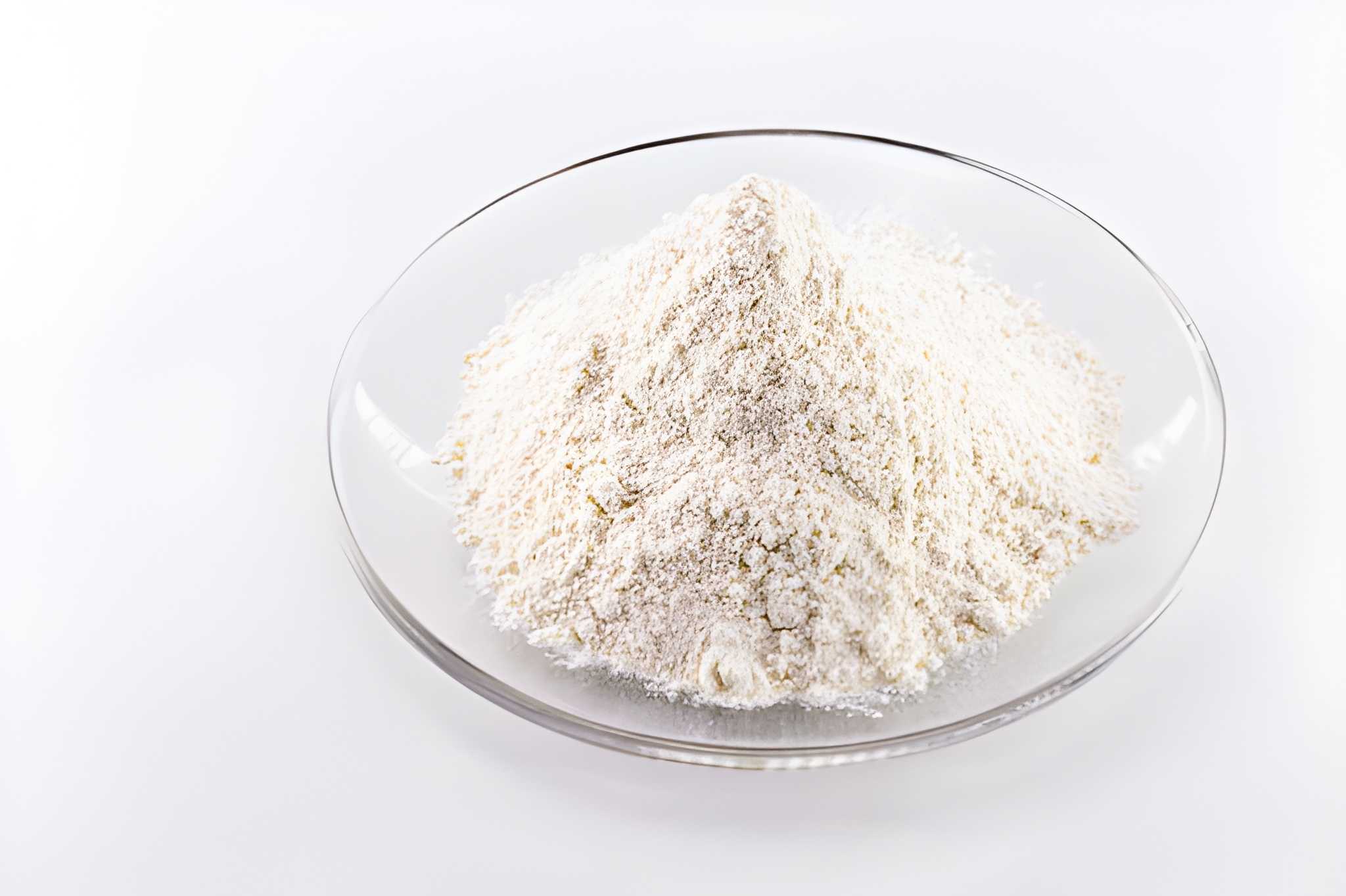
Food-grade potassium bicarbonate is a fine, white crystalline powder widely used in food production. Chemically known as potassium hydrogen carbonate, it functions as an acidity regulator, leavening agent, and pH stabilizer. Its purity and consistency make it suitable for direct use in foods, beverages, and nutraceuticals.
The key difference between food-grade and industrial-grade potassium bicarbonate lies in quality standards and safety compliance. Food-grade variants undergo rigorous testing to ensure minimal contaminants, precise composition, and adherence to food safety regulations. Industrial-grade powders, in contrast, are intended for non-food applications and may contain impurities that make them unsafe for consumption.
High-quality food-grade potassium bicarbonate supports safe formulations while maintaining desired texture, taste, and nutritional balance. Using verified products also simplifies regulatory compliance and helps manufacturers deliver consistent results to consumers.
Where Potassium Bicarbonate Makes a Difference
In food production, even small variations in ingredient quality can impact taste, texture, and overall product performance. Food-grade potassium bicarbonate is designed to address these challenges, offering consistent results across multiple applications.
- Baking and Leavening: Helps dough rise evenly while maintaining a soft, uniform texture.
- Acidity Control: Balances pH in beverages, sauces, and dairy products for a consistent flavour profile.
- Low-Sodium Alternative: Delivers the benefits of bicarbonates without adding extra sodium, supporting healthier formulations.
- Beverages and Nutraceuticals: Stabilizes juices, fortified drinks, and dietary supplements.
- Water and Food Processing: Maintains mineral balance in packaged drinking water and streamlines production processes.
High-quality potassium bicarbonate ensures smooth operations while helping maintain regulatory compliance. Using verified, food-grade ingredients support product consistency and minimizes potential production setbacks.
Common Issues with Low-Quality Potassium Bicarbonate
Using substandard potassium bicarbonate can lead to multiple challenges in food production. Poor-quality batches may compromise taste, texture, and safety, causing inconsistencies in the final product.
- Impurities and Contaminants: Low-purity powders can introduce unwanted substances, affecting flavour and compliance with safety standards.
- Inconsistent Performance: Variable composition may impact dough rising, acidity control, or beverage stabilization.
- Regulatory Challenges: Lack of proper certification and documentation can make it difficult to meet food safety standards.
- Storage and Handling Risks: Improperly packaged or stored products may degrade, reducing effectiveness in production.
Ensuring high-quality potassium bicarbonate minimizes these risks, helping manufacturers maintain consistent outcomes, safe products, and smooth production workflows.
Things to Check Before You Buy Potassium Bicarbonate
Selecting high-quality potassium bicarbonate for food use requires careful evaluation. Examining key factors before purchase ensures product safety, consistency, and regulatory compliance.
- Purity and Composition: Verify the product meets food-grade standards and contains minimal impurities to ensure consistent performance.
- Certifications and Documentation: Look for FSSAI, ISO, or other relevant certifications, along with COA/SDS reports, to confirm safety and compliance.
- Supplier Expertise: Choose a potassium bicarbonate supplier with experience in food-grade chemicals to receive proper guidance on handling and usage.
- Packaging and Storage: Properly sealed, moisture-resistant packaging preserves product stability and prevents degradation.
- Consistent Supply: Reliable delivery schedules help maintain uninterrupted production and consistent product quality.
Evaluating these factors before you buy potassium bicarbonate reduces operational risks and supports smooth production. It also ensures that the final food products meet both quality expectations and regulatory standards.
Why Supplier Choice Impacts Product Excellence
The quality and consistency of food-grade potassium bicarbonate depend heavily on the supplier. Selecting a supplier with experience in food-grade chemicals ensures the product meets stringent purity standards and performs reliably in production.
- Expert Handling Guidance: Knowledgeable suppliers provide instructions for proper storage, handling, and usage to maintain ingredient effectiveness.
- Verified Quality: Reputable sources deliver high-purity potassium bicarbonate, reducing the risk of contamination or inconsistent results.
- Regulatory Compliance Support: Experienced suppliers supply certificates and documentation needed for audits and inspections.
- Operational Efficiency: Reliable supply ensures uninterrupted production, minimizing delays and supporting consistent output.
With decades of expertise and FSSAI-approved formulations, Pyoraa offers food manufacturers products that align with industry standards and deliver consistent results. Sourcing from qualified suppliers helps maintain quality, safety, and performance across all applications.
Expert Solutions for Safer Food Products
Ensuring the quality and safety of food-grade potassium bicarbonate is essential for consistent results in food production. Checking purity, certifications, proper handling, and supplier practices helps manufacturers avoid operational challenges and meet industry standards.
Since 1996, Pyoraa has delivered decades of expertise in food-grade chemical formulations. Backed by FSSAI-approved processes and verified documentation, the high-purity potassium bicarbonate supports smooth production, consistent performance, and regulatory compliance.
Thorough assessment before you buy potassium bicarbonate empowers manufacturers to maintain product integrity, enhance efficiency, and protect consumer trust. Following these checks ensures safer, more reliable, and high-quality outcomes across every batch.