
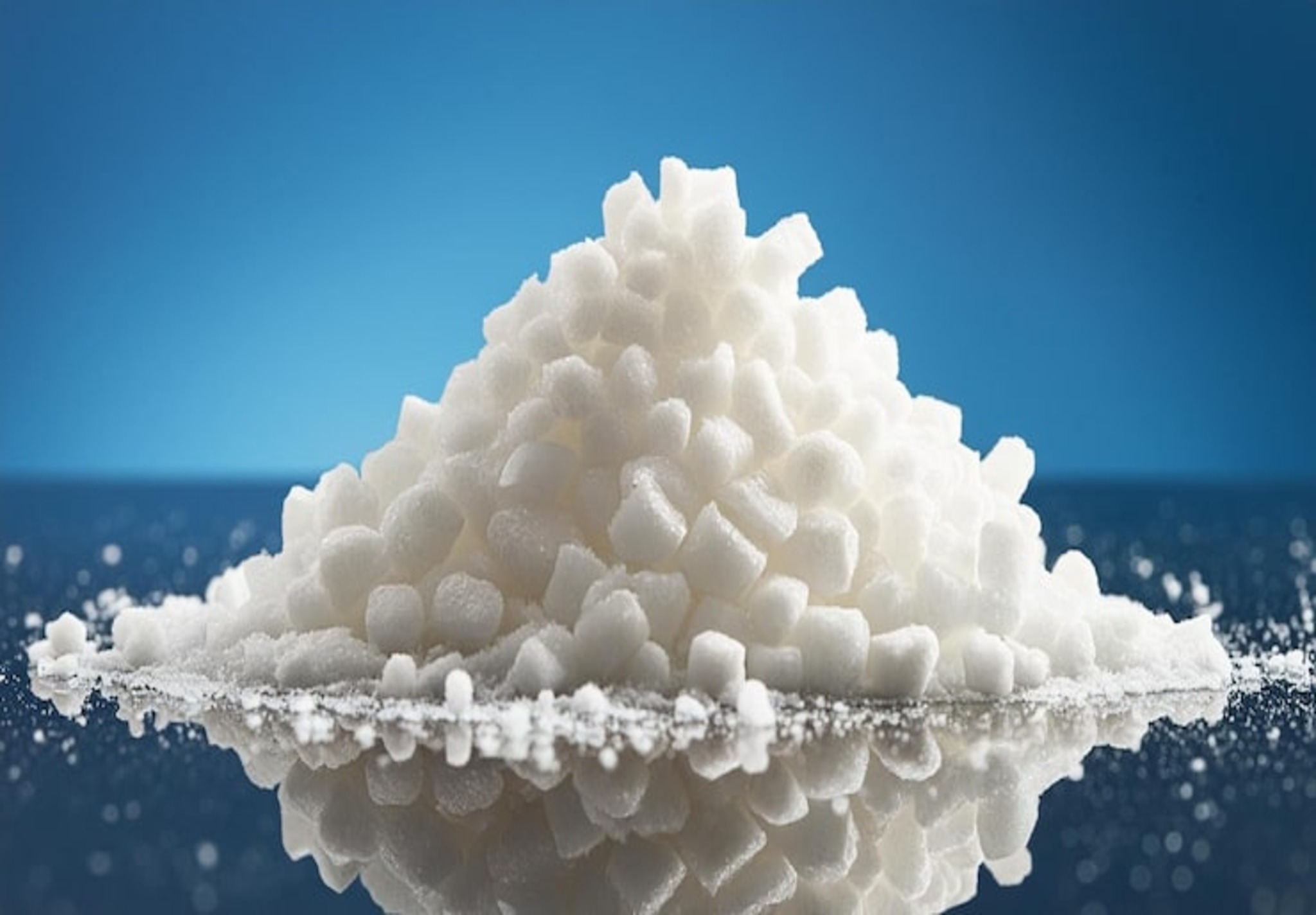
High Purity Calcium Chloride: Why It Matters in Food and Water Treatment Applications
Calcium chloride is a widely used compound across food processing and water treatment industries. From improving product texture to restoring mineral balance in purified water, its role is both functional and essential. However, one factor that significantly influences its effectiveness is purity.
For businesses that depend on consistency, safety, and compliance, using high purity calcium chloride is not just a preference—it is a requirement. The quality of the chemical directly impacts the final output, making it important to understand why purity matters and how it affects industrial applications.
What is Calcium Chloride Dihydrate?
Calcium chloride dihydrate is a highly soluble chemical compound commonly used for moisture control, mineral enrichment, and pH adjustment. Its versatility makes it suitable for a wide range of applications, particularly in food-grade and water treatment processes.
Companies looking to buy calcium chloride dihydrate should always ensure that the product meets food-grade specifications and is sourced from a reliable supplier. This helps maintain consistency across production cycles.
Why Purity Plays a Critical Role
1. Consistent and Reliable Performance
One of the main advantages of using a refined product is consistency. When the chemical composition remains stable, it becomes easier to achieve predictable results in processing.
Using well-processed calcium chloride dihydrate powder ensures uniform dissolution and effectiveness. On the other hand, impurities can interfere with reactions, leading to inconsistent outcomes and additional processing challenges.
2. Compliance with Food Safety Standards
In food-related applications, regulatory compliance is non-negotiable. Additives used in production must meet strict safety guidelines to ensure they are safe for consumption.
Working with established calcium chloride dihydrate suppliers helps businesses meet these standards. Certified products not only reduce compliance risks but also build trust with end users.
3. Improved Efficiency in Water Treatment
In water treatment plants, calcium chloride is often used to restore mineral balance after purification processes such as reverse osmosis. Since these processes remove essential minerals, controlled reintroduction is necessary.
High-quality inputs improve solubility and reduce residue formation, making the treatment process more efficient. This ensures that the final water output meets both quality and safety requirements without additional adjustments.
4. Enhanced Quality in Food Processing
In the food industry, calcium chloride is used for multiple purposes, including improving firmness in vegetables, stabilizing dairy products, and maintaining consistency in processed foods.
When sourced from a dependable calcium chloride supplier, the compound performs consistently across batches. This is especially important for manufacturers who need uniform quality in large-scale production.
Key Applications of Calcium Chloride
1. Packaged Drinking Water
After purification, water often lacks essential minerals. Calcium chloride helps restore calcium content, improving both taste and nutritional value. Its controlled use ensures compliance with regulatory standards.
2. Food Processing Industry
Calcium chloride is commonly used in:
- Cheese production for better coagulation
- Canned vegetables for improved firmness
- Beverage processing for mineral balance
Its role in maintaining product stability makes it an important ingredient in food manufacturing.
3. Industrial Applications
Beyond food and water, calcium chloride is also used in:
- Dust control
- Refrigeration systems
- De-icing solutions
These applications further highlight its versatility across industries.
Factors to Consider Before Purchasing
When evaluating calcium chloride dihydrate price, it’s important to look beyond cost alone. Several factors influence the overall value of the product:
- Purity level and consistency
- Certification and compliance
- Supplier reliability
- Packaging and storage quality
Choosing experienced calcium chloride dihydrate suppliers ensures that you receive a product that meets both quality and operational requirements.
Risks of Using Low-Quality Calcium Chloride
Opting for low-grade materials may reduce upfront costs, but it can lead to long-term issues, such as:
- Inconsistent performance
- Contamination risks
- Equipment scaling or damage
- Increased maintenance costs
These challenges can disrupt operations and affect product quality. Investing in high-quality calcium chloride dihydrate helps avoid such risks and ensures smoother processes.
The Importance of Choosing the Right Supplier
The quality of your chemical supply chain plays a significant role in overall business performance. A reliable supplier offers more than just the product—they provide consistency, technical support, and assurance of quality.
When selecting a supplier, consider:
- Proven track record in the industry
- Availability of certifications and test reports
- Ability to meet bulk requirements
- Consistent delivery timelines
For businesses seeking dependable sourcing solutions, exploring options from Pyoraa can help ensure both quality and reliability.
Conclusion
High purity calcium chloride is a critical component in both food processing and water treatment applications. Its ability to deliver consistent results, meet regulatory standards, and improve operational efficiency makes it an essential choice for modern industries.
By focusing on quality and sourcing from trusted suppliers, businesses can ensure better product outcomes, reduced risks, and long-term operational success. Whether it is restoring mineral balance in water or enhancing food stability, the importance of using the right grade of calcium chloride cannot be overlooked.
Partnering with a reliable brand like Pyoraa helps ensure access to high-quality, food-grade chemical solutions that meet industry standards and support consistent performance across applications.

Quality Parameters to Check Before Buying Calcium Chloride Dihydrate
Low-quality chemicals can lead to safety issues and inconsistent results; this guide helps you identify the right quality standards before you buy calcium chloride dihydrate.
A small compromise in chemical quality can lead to bigger issues in the final output. In applications such as food processing and water treatment, calcium chloride dihydrate plays a functional role that directly affects outcomes. This makes it important to choose the right grade with care.
Many buyers focus only on cost, but ignoring quality can lead to contamination risks and inconsistent results. Choosing high purity calcium chloride ensures better stability, compliance, and overall effectiveness in end use. This becomes even more important in applications where precision and safety cannot be compromised.
Understanding what to check before you buy calcium chloride dihydrate helps avoid costly mistakes and unreliable supply. With multiple grades and sources available, knowing the right parameters helps you make a confident, informed decision.
What Is Calcium Chloride Dihydrate and Where Is It Used?
Calcium chloride dihydrate is a widely used chemical compound known for its high solubility and moisture-absorbing properties. It is commonly available in crystalline form and is used across multiple industries where stability and efficiency are important.
Where is it commonly used?
- Food industry
Used as a firming agent and preservative to maintain texture and shelf life
- Water treatment
Helps in improving water quality and balancing mineral content
- Pharmaceutical applications
Supports formulations that require controlled mineral composition
- Industrial processes
Used for dust control, de-icing, and drying applications
Why does application matter?
The use case determines the required grade of calcium chloride dihydrate. Different industries demand different purity levels, making it essential to match the product quality with its intended purpose. Using the wrong grade can affect performance, safety, and compliance with industry standards. It also increases the risk of inefficiencies and rework in the final application.
Why Is It Important to Check Quality Before You Buy?
Choosing the right quality is not just a technical requirement; it directly impacts safety, consistency, and end results. When you buy calcium chloride dihydrate, overlooking quality parameters can lead to performance issues and compliance risks.
What can go wrong with low-quality material?
- Inconsistent performance
Variations in composition can affect how the product behaves in different applications
- Contamination risks
Impurities can interfere with formulations and reduce effectiveness
- Regulatory concerns
Non-compliant materials may fail to meet required safety standards
- Shorter shelf life
Poor stability can lead to degradation over time
How does purity impact performance?
Using high purity calcium chloride ensures better solubility, stability, and predictable results. It helps maintain consistency across batches and supports safer use, especially in sensitive applications such as food and pharmaceuticals.
Key Quality Parameters to Check Before You Buy
Choosing the right product requires a clear understanding of what defines quality. When you buy calcium chloride dihydrate, these parameters help you assess whether the material meets your application needs.
1. Purity Level and Composition
Purity is one of the most critical factors to evaluate. A higher percentage indicates fewer impurities and better performance.
- Look for consistent composition across batches
- Prefer high purity calcium chloride for sensitive applications
- Check the technical specifications provided by the supplier
2. Appearance and Physical Properties
Visual inspections can reveal a lot about quality. Good material should have a uniform structure and a clean appearance.
- Free from visible contaminants or discoloration
- Consistent crystal size and texture
- Stable form of calcium chloride dihydrate without clumping
3. Moisture Content and Stability
Controlled hydration is essential for product effectiveness. Excess or uneven moisture can affect usability.
- Balanced moisture levels for stable performance
- Lower chances of degradation during storage
- Better handling when you buy calcium chloride dihydrate in bulk
4. Compliance and Certifications
Certifications reflect compliance with defined safety and quality requirements. They hold greater importance in industries that operate under strict regulatory guidelines.
- Check for FSSAI or relevant approvals
- Verify documentation from calcium chloride dihydrate suppliers
- Ensure the product meets application-specific requirements
5. Packaging and Labelling Standards
Proper packaging protects product integrity during storage and transport.
- Sealed, moisture-resistant packaging
- Clear labelling with batch and grade details
- Reliable practices followed by trusted calcium chloride dihydrate suppliers
Evaluating these parameters helps reduce risks and ensure consistent results across applications.
How to Evaluate Calcium Chloride Dihydrate Suppliers Before Buying?
Selecting the right supplier is as important as checking the product itself. Reliable calcium chloride dihydrate suppliers ensure consistent quality, proper documentation, and dependable supply.
What should you check before choosing a supplier?
- Experience and industry presence
Suppliers with long-term experience are more likely to maintain consistent standards.
- Product range and capability
A diversified portfolio indicates strong formulation and manufacturing expertise.
- Certifications and compliance
Always verify approvals like FSSAI to ensure safety and regulatory alignment.
- Consistency in supply
Trusted suppliers ensure consistent quality is maintained in every batch.
Why does supplier expertise matter?
Working with experienced calcium chloride dihydrate suppliers reduces the risk of quality issues and supply disruptions. Established manufacturers bring technical knowledge, better process control, and a deeper understanding of application requirements.
Manufacturers with decades of experience, a wide product portfolio, and strong industry credibility are better equipped to deliver dependable solutions. Pyoraa, backed by U.S. Steriles with manufacturing experience since 1996, follows structured quality processes and certified standards to ensure consistent supply. This level of expertise ensures that the product meets both quality and compliance expectations.
How Does Calcium Chloride Dihydrate Price Reflect Quality?
Price is often the first factor buyers consider, but it should never be the only one. The calcium chloride dihydrate prices can vary based on multiple quality and supply factors. It often reflects differences in purity, manufacturing processes, and compliance standards. Understanding these variations helps in making a more informed and reliable purchase decision.
What affects pricing?
- Purity level
Higher purity materials usually come at a higher cost due to better processing and refinement.
- Manufacturing standards
Advanced production methods ensure consistency but may increase pricing.
- Certifications and compliance
Approved and tested products often carry added value.
- Packaging and logistics
Safe handling and storage conditions also impact the final cost.
Is a lower price always better?
Lower calcium chloride dihydrate prices may indicate compromises in purity, consistency, or compliance. While it may seem cost-effective initially, it can lead to higher long-term costs due to performance issues or product failures. It may also increase the risk of frequent replacements or process inefficiencies over time.
How to balance cost and quality?
Instead of focusing only on price, evaluate the overall value. Choosing high purity calcium chloride from reliable sources ensures better efficiency, safety, and long-term savings. A balanced approach helps maintain both cost control and consistent performance across applications.
Reliable Sourcing Begins with Informed Choices
A quick comparison is not enough to make the right choice. When you buy calcium chloride dihydrate, focusing on quality parameters helps ensure consistent performance, safety, and compliance across applications. A well-informed approach reduces risks and supports better long-term results.
Pyoraa delivers solutions backed by U.S. Steriles, a manufacturer with experience since 1996 and a strong focus on quality and certified processes. This foundation allows us to maintain consistency across batches while meeting industry requirements with precision and reliability.
We focus on providing dependable products that align with real application needs. Our approach combines technical expertise with strict quality control, helping you source materials that perform as expected and support your operations without compromise.

Key Safety Standards for Handling Food Grade Chemical Powders
Handling food-grade chemical powders requires precision, discipline, and strict adherence to safety protocols. In industries such as food processing, beverage manufacturing, and packaged drinking water production, these chemicals directly influence product quality and consumer safety. Even minor lapses in handling can lead to contamination, compromised quality, and regulatory non-compliance.
This is why businesses working with FSSAI approved mineral additives must follow well-defined safety standards. From storage to usage, every stage must be controlled to ensure consistent performance and compliance with food safety regulations.
Why Safety Matters in Handling Food Grade Chemicals
Food-grade chemicals are manufactured under strict quality controls, but their safety can be compromised if handling practices are not followed correctly. Improper storage, exposure to moisture, or cross-contamination can significantly affect their effectiveness.
Industries using food grade mineral additives India must ensure:
- Controlled environmental conditions
- Proper storage and packaging systems
- Skilled and trained personnel
- Strict adherence to regulatory guidelines
Without these safeguards, even high-quality additives can lose their purity and functionality.
Understanding Regulatory Standards (FSSAI Compliance)
The Food Safety and Standards Authority of India (FSSAI) governs the use of additives in food and beverages. Only certified FSSAI approved mineral additives are permitted in production processes.
Compliance ensures:
- Safe levels of chemical usage
- Approved formulations
- Consumer safety and trust
Businesses sourcing from a reliable food grade mineral additives supplier should always verify certifications, batch documentation, and testing reports before use.
Key Safety Standards for Handling Chemical Powders
1. Proper Storage Conditions
Food-grade chemical powders are highly sensitive to environmental conditions. Many are hygroscopic, meaning they absorb moisture from the air, which can affect their composition.
Best practices include:
- Storing in cool, dry, and well-ventilated areas
- Using moisture-resistant, airtight packaging
- Avoiding direct sunlight and temperature fluctuations
Maintaining these conditions is crucial when sourcing from a trusted food grade mineral additives manufacturer.
2. Use of Personal Protective Equipment (PPE)
Even though these chemicals are food-grade, direct exposure can still pose risks to handlers. Fine powders can become airborne and may cause irritation or respiratory issues.
Essential PPE includes:
- Gloves for skin protection
- Masks or respirators to prevent inhalation
- Safety goggles for eye protection
Proper use of PPE is especially important when working with mineral additives for food and beverage industry.
3. Preventing Cross-Contamination
Cross-contamination is one of the most critical risks in food-grade environments. Mixing different chemicals or exposing them to contaminants can affect product quality and safety.
To minimize risk:
- Use dedicated equipment for each chemical
- Maintain strict hygiene protocols
- Clean handling surfaces regularly
This is particularly important for businesses relying on food grade mineral additives India.
4. Accurate Measurement and Controlled Usage
Precision is key when working with chemical additives. Incorrect dosing can alter product composition, taste, and safety.
Ensure:
- Use of calibrated measuring equipment
- Standardized operating procedures (SOPs)
- Proper batch tracking and documentation
Accurate handling ensures consistency in the mineral additives for food and beverage industry.
5. Proper Labeling and Documentation
Clear labeling ensures traceability and prevents misuse. Each batch should include:
- Product name
- Batch number
- Manufacturing and expiry date
- Storage instructions
Working with a reliable food grade mineral additives supplier ensures proper documentation and transparency.
Common Risks in Handling Chemical Powders
Despite best practices, risks can arise if safety protocols are ignored:
- Inhalation of airborne particles
- Moisture absorption leading to degradation
- Cross-contamination between chemicals
- Improper disposal causing environmental impact
Sourcing from a trusted food grade mineral additives manufacturer significantly reduces these risks.
Best Practices for Safe Handling
To maintain safety and efficiency:
- Conduct regular employee training
- Implement strict SOPs
- Perform routine quality checks
- Use high-quality packaging materials
These practices ensure safe and effective use of FSSAI approved mineral additives.
Choosing the Right Supplier Matters
Safety begins at the source. A reliable supplier ensures:
- Consistent product quality
- Compliance with regulatory standards
- Technical support and guidance
For dependable solutions, connect with Pyoraa.
Conclusion
Handling food-grade chemical powders requires a combination of strict safety protocols, regulatory compliance, and reliable sourcing. By implementing best practices and working with trusted suppliers, businesses can ensure consistent quality, operational efficiency, and consumer safety.

Magnesium Sulphate Heptahydrate in Food-Grade Applications: Standards and Benefits
Food manufacturers often overlook grade specifications when sourcing magnesium sulphate. The right food grade standard is what separates safe production from costly compliance failures.
Magnesium sulphate heptahydrate is one of the most widely used mineral additives in food and beverage manufacturing. It supplies magnesium, supports process stability, and meets the mineral requirements of packaged drinking water.
But not all grades are equal. Food-grade compliance determines whether the material is safe, effective, and legally permitted for use in your production process. Using a non-food-grade variant can lead to contamination risks, batch rejections, and regulatory penalties.
This blog covers the key food-grade standards, core applications, and what to look for when evaluating magnesium sulphate suppliers in India. Whether you are a procurement manager or a production head, this will help you make a more informed sourcing decision.
What Defines Food Grade Magnesium Sulphate Heptahydrate
Food-grade is not just a label. It refers to a specific set of purity and safety requirements that the material must meet before it can be used in the production of food, beverages, or drinking water. The grade of the material directly impacts the safety and quality of the final product that reaches consumers.
- Controlled Manufacturing Conditions
Mg sulfate heptahydrate in food-grade form is produced in facilities that follow strict hygiene and quality protocols. This ensures the material is free from cross-contamination at every stage of production.
- Defined Purity Standards
Food-grade variants must meet minimum purity thresholds. This controls the magnesium content and ensures consistent performance across every batch.
- Impurity and Heavy Metal Limits
Regulatory standards define the maximum permissible limits for heavy metals and other contaminants. Food-grade material must stay well within these limits to be safe for consumption.
- Regulatory Compliance
In India, magnesium sulphate heptahydrate used in food applications must comply with FSSAI guidelines. This covers permitted usage, safe dosage levels, and labelling requirements.
Meeting these standards is not optional. It is the baseline that every food and beverage manufacturer must verify before approving a supplier. Skipping this verification step is where most sourcing mistakes begin.
Where Is It Used in the Food & Beverage Industries?
Magnesium sulphate heptahydrate is used across a wider range of food and beverage applications than most manufacturers realise. Here are the key areas where it plays an active role:
- Packaged Drinking Water:
Added to maintain mineral balance and improve taste profile in bottled and packaged water products.
- Food Processing:
Used as a nutrient supplement and processing aid in baked goods, dairy products, and cereal-based foods.
- Beverages:
Supports magnesium fortification in functional drinks, health beverages, and sports nutrition products.
- Nutraceuticals and Supplements:
A reliable source of magnesium in tablet, capsule, and powder-based supplement formulations.
- Infant Formula and Baby Food:
Used in carefully controlled quantities to meet the mineral requirements of sensitive formulations.
- Dietary Salts and Mineral Blends:
Provides consistent magnesium content in custom mineral blends for food and health applications.
Each of these applications demands food-grade compliance. The material must perform consistently and meet safety standards across every use case. This is why sourcing from verified magnesium sulphate manufacturers in India with documented quality systems is a non-negotiable requirement for any serious manufacturer.
What Food Grade Standards Does It Need to Meet?
Verifying compliance before procurement protects your production and your brand. Different regulatory bodies define specific benchmarks that the material must meet at every stage from manufacturing to final delivery. Here are the key standards that food-grade magnesium sulphate heptahydrate must meet:
| Standard | What It Covers |
| FSSAI Approval | Permits use in food and drinking water applications in India |
| GMP Certification | Ensures controlled and traceable manufacturing processes |
| ISO Certification | Confirms adherence to international quality management systems |
| Purity Specifications | Defines minimum magnesium content and acceptable impurity limits |
| Heavy Metal Limits | Sets maximum permissible levels for lead, arsenic, and other contaminants |
| Batch Traceability | Ensures every batch can be tracked back to its point of manufacture |
Always request a Certificate of Analysis from your supplier before confirming any order. It is the most direct way to verify that the material meets the standards your production requires.
The Importance of Supplier and Price Choice
Sourcing decisions in food-grade procurement go beyond finding the lowest magnesium sulphate price in India. The supplier you choose directly affects your product quality, compliance with readiness, and supply continuity.
- Low prices without verified quality lead to inconsistencies and rejection risks.
- Suppliers without proper certifications can create compliance gaps during audits and inspections.
- Unreliable delivery timelines disrupt production schedules and increase operational costs.
- Lack of documentation makes it difficult to meet regulatory and customer requirements.
- Poor packaging and storage practices affect the material quality before it even reaches your facility.
Evaluating magnesium sulphate heptahydrate price alongside supplier capability gives you a more complete picture. The right supplier offers competitive pricing without compromising on quality, documentation, or delivery reliability.
Benefits of Choosing Trusted Indian Manufacturers
India has a growing base of food-grade mineral additive manufacturers. However, not all of them offer the consistency, compliance, and supply reliability that regulated industries demand. The manufacturer you choose becomes a direct extension of your quality system.
Pyoraa by U.S. Steriles has been manufacturing food-grade mineral additives since 1996. With 25+ years of experience and 3000+ customers served, it is among the most trusted magnesium sulphate suppliers in India for food, beverage, and packaged drinking water applications.
Here is what Pyoraa brings to every supply relationship:
- FSSAI-approved magnesium sulphate heptahydrate is safe for food and drinking water use.
- GMP and ISO certified manufacturing for consistent and traceable production.
- Complete batch documentation supporting audits and regulatory inspections.
- Competitive magnesium sulphate heptahydrate price structures without compromising quality.
- Reliable supply of Mg sulfate heptahydrate in 30 kg and 50 kg packaging formats.
For manufacturers evaluating magnesium sulphate manufacturers in India, Pyoraa offers a sourcing solution built on experience, certification, and long-term supply reliability.
Sourcing Food Grade Has to Be Deliberate
Food-grade compliance is not a one-time checkbox. It is an ongoing requirement that affects every batch, every audit, and every product that leaves your facility. Sourcing the right magnesium sulphate heptahydrate from a verified manufacturer is what keeps that standard intact.
With 25+ years of experience and FSSAI-approved formulations, Pyoraa by U.S. Steriles has built its reputation on consistent quality and reliable long-term supply. We supply food-grade Mg sulfate heptahydrate with consistent quality, complete documentation, and the reliability required by regulated production environments.
If you are looking for trusted magnesium sulphate manufacturers in India with proven experience and competitive prices, we are ready to support your sourcing needs. Contact us today to request product specifications, bulk pricing, or a sample.

How to Choose the Right Food Grade Mineral Additives Supplier in India
Selecting the right supplier for Food Grade Mineral Additives India is a critical decision for businesses in the food processing sector. The quality, consistency, and safety of mineral additives directly impact the final product, making supplier selection a key part of operational success.
With increasing demand for Mineral Additives For Food And Beverage Industry, manufacturers must partner with suppliers who meet industry standards and ensure reliable delivery.
Understanding Food Grade Mineral Additives
Food grade mineral additives are essential ingredients used to enhance the nutritional value, texture, stability, and shelf life of food products. These additives are widely used across:
- Processed foods
- Beverages
- Dairy products
- Bakery and confectionery
A professional Food Grade Mineral Additives Manufacturer ensures that these ingredients meet strict food safety and quality regulations.
Why Choosing the Right Supplier Matters
Working with the right Food Grade Mineral Additives Supplier ensures:
- Consistent product quality
- Compliance with food safety standards
- Reliable bulk supply
- Reduced production risks
In contrast, an unreliable supplier can lead to inconsistencies, regulatory issues, and product recalls.
Key Factors to Consider When Choosing a Supplier
1. Product Quality and Certifications
The first and most important factor is product quality. Always verify whether the supplier provides:
- Food-grade certification
- Compliance with FSSAI or international standards
- Proper documentation and test reports
A trusted Food Grade Mineral Additives Supplier in India will always maintain transparency in quality assurance.
2. Manufacturing Capabilities
A reliable supplier should have strong manufacturing infrastructure to handle bulk requirements. Look for:
- Advanced production facilities
- Consistent output capacity
- Ability to scale with your business needs
Choosing an experienced Food Grade Mineral Additives Manufacturer ensures long-term reliability.
3. Industry Experience and Expertise
Suppliers with experience in the Mineral Additives For Food And Beverage Industry understand specific application requirements. This helps in:
- Selecting the right additive for your formulation
- Ensuring compatibility with production processes
- Providing technical guidance when needed
4. Consistent Supply Chain
Supply chain reliability is critical in food manufacturing. Delays or inconsistencies can disrupt production schedules.
A dependable Food Grade Mineral Additives Supplier in India should offer:
- Timely deliveries
- Strong logistics network
- Inventory management support
5. Pricing and Cost Efficiency
While quality is important, pricing also plays a key role in decision-making. Businesses should compare:
- Bulk pricing options
- Long-term cost benefits
- Value for money
However, choosing solely based on low cost can compromise quality, which can affect your final product.
6. Customization and Product Range
Different industries require different formulations. A good supplier should offer:
- A wide range of mineral additives
- Custom solutions based on application
- Flexibility in packaging and quantities
This is especially important for companies working across multiple product lines.
Evaluating Supplier Credibility
Before finalizing a supplier, businesses should:
- Review client testimonials and case studies
- Check industry reputation
- Evaluate response time and customer support
A reliable Food Grade Mineral Additives Supplier will always prioritize long-term partnerships over short-term transactions.
Importance of Technical Support
Technical support is often overlooked but plays a crucial role in supplier selection. A knowledgeable supplier can help with:
- Product selection
- Application guidance
- Troubleshooting production issues
This ensures better efficiency and reduces operational challenges.
Where to Find a Reliable Supplier in India
India has a growing market for food-grade additives, but choosing the right partner requires careful evaluation.
If you are exploring options for Food Grade Mineral Additives India, working with an experienced supplier ensures consistent quality and reliable service. You can explore a trusted source through Food Grade Mineral Additives India.
Future Trends in Mineral Additives Industry
The demand for Mineral Additives For Food And Beverage Industry is evolving with changing consumer preferences. Key trends include:
- Clean-label and natural ingredients
- Nutritional fortification
- Low-sodium and health-focused formulations
Suppliers who adapt to these trends are better positioned to support future-ready food businesses.
Conclusion
Choosing the right Food Grade Mineral Additives Supplier in India is essential for maintaining product quality, ensuring compliance, and achieving operational efficiency. By focusing on quality, reliability, experience, and technical support, businesses can build strong supplier partnerships.
For companies looking to streamline sourcing and ensure consistent performance, partnering with a trusted provider like Pyoraa can make a significant difference in long-term success.

Calcium Chloride Dihydrate Specifications: What Procurement Managers Must Check
Not all calcium chloride dihydrate is created equal; here’s what procurement managers must check before sourcing.
When procurement managers source industrial minerals, precision and specification accuracy are critical. Calcium chloride dihydrate is widely used in the food, beverage, and water treatment industries. Choosing the wrong grade can lead to production delays, inconsistent product quality, and potential compliance issues.
Understanding the specifications of calcium chloride dihydrate helps buyers evaluate suppliers effectively. Factors like purity, moisture content, and particle consistency directly impact manufacturing performance. Knowing what to check ensures the material meets process requirements every time.
This guide explains the critical aspects of calcium chloride dihydrate procurement. From purity standards to supplier evaluation and pricing factors, procurement managers will learn how to make informed decisions. Following these checks helps avoid costly mistakes and ensures a reliable supply for industrial operations.
Why Specifications Matter When Sourcing Calcium Chloride Dihydrate
Sourcing calcium chloride dihydrate is not just about buying a mineral; it’s about ensuring consistent production quality. Here’s why specifications are crucial for procurement managers:
- Prevent production issues:
Using substandard material can cause clumping, uneven solubility, or chemical inconsistencies, affecting the product.
- Maintain compliance:
Industries like food, beverage, and water treatment have strict standards. Meeting these requires verified mineral specifications.
- Ensure supplier accountability:
Clear specification checks allow managers to hold suppliers accountable for batch consistency and quality assurance.
- Cost efficiency:
Avoiding defective or low-quality minerals reduces wastage, rework, and production delays, which ultimately saves operational costs.
- Smooth integration into processes:
Correct specifications ensure reliable chemical behaviour, making manufacturing processes predictable and efficient.
By focusing on specifications, procurement managers can avoid costly errors and maintain uninterrupted operations. This step is the foundation for choosing the right supplier and verifying other critical parameters.
Essential Purity Standards for Industrial Buyers
When evaluating high-purity calcium chloride, procurement managers need to focus on specific parameters that affect performance and reliability. Here’s a clear breakdown:
| Parameter | What to Check | Why It Matters |
| Purity (%) | Ensure the product meets industry-grade purity, typically above 94–98%. | Higher purity guarantees consistent chemical behaviour and prevents contamination. |
| Moisture Content | Verify water content is within specified limits. | Excess moisture can cause clumping and affect solubility in applications. |
| Impurities | Check for heavy metals and other chemical contaminants. | Reduces risk of chemical reactions or product failure in sensitive industrial processes. |
| Appearance | White crystalline or powdered form. | Indicates proper processing and handling; ensures uniformity in batch usage. |
| CAS Number Verification | Confirm 10035-04-8 matches supplier documentation. | Validates chemical identity and assures compliance with regulatory standards. |
Key Insight: Only suppliers who provide detailed technical data sheets and confirm these purity standards should be considered for industrial procurement. Following this table helps managers compare products objectively and avoid unreliable material.
Key Technical Parameters Procurement Teams Must Verify
When sourcing calcium chloride dihydrate, procurement managers must verify technical parameters to ensure quality and reliability. Use this step-by-step checklist:
- Assay Percentage
- Confirm the active calcium chloride dihydrate content meets the required purity.
- A higher assay ensures predictable chemical behaviour in manufacturing.
- Solubility Characteristics
- Check how easily the mineral dissolves in water.
- Proper solubility prevents clumping and guarantees uniform performance.
- Moisture Content
- Measure residual water in the calcium chloride dihydrate powder.
- Excess moisture can affect storage, handling, and process efficiency.
- Particle Size & Appearance
- Ensure consistency in crystal size or powder form.
- Uniform particles support smooth mixing and dosing in industrial processes.
- Impurities & Contaminants
- Verify absence of heavy metals, sulfates, or other chemicals outside specification.
- Reduces the risk of chemical reactions that may damage products or equipment.
- Batch-to-Batch Consistency
- Request sample testing or certificates from multiple batches.
- Consistent batches reduce variations in manufacturing and improve product reliability.
Pro Tip: Always combine this checklist with supplier technical data sheets (TDS) and certificates of analysis (COA) to make informed procurement decisions.
How Procurement Managers Evaluate Calcium Chloride Dihydrate Suppliers
Selecting the right supplier is just as important as choosing the correct grade of calcium chloride dihydrate. Procurement managers must balance quality, reliability, and cost while ensuring consistent supply. Evaluating suppliers properly prevents production delays and quality issues.
Dos
- Request technical data sheets (TDS) and certificates of analysis (COA) for each batch.
- Verify the supplier’s batch consistency to ensure chemical properties remain stable.
- Check for regulatory compliance in the food, beverage, or water treatment industries.
- Assess logistics and delivery timelines for timely procurement.
- Look for calcium chloride dihydrate suppliers with quality certifications, such as ISO or industry-specific accreditations.
Don’ts
- Do not rely solely on price; low-cost material may compromise purity.
- Avoid suppliers without documentation for chemical specifications.
- Do not ignore minor impurities, which can accumulate and affect product quality.
- Do not skip checking past client references or reviews for reliability.
- Avoid suppliers who cannot guarantee batch traceability or consistent supply.
Proper evaluation ensures that procurement managers select suppliers who consistently provide reliable, high-quality calcium chloride dihydrate. Following these dos and don’ts reduces operational risks and ensures smoother manufacturing processes.
Factors That Influence Calcium Chloride Dihydrate Price
The cost of calcium chloride dihydrate is influenced by multiple factors that go beyond the raw material itself. Understanding these can help procurement managers make informed purchasing decisions and avoid unexpected price fluctuations.
Key Price Drivers:
- Raw Material Source:
The quality and availability of raw materials directly affect production costs. Higher-grade sources usually lead to higher pricing.
- Purity and Processing Level:
High-purity calcium chloride commands a premium because it requires more precise processing and stringent quality control.
- Packaging and Transportation:
Bulk handling, moisture-proof packaging, and safe transportation can add to the final price.
- Order Volume:
Larger orders often come with better pricing due to economies of scale, while small batches may be more expensive per unit.
- Supplier Reputation and Certification:
Trusted suppliers with verified quality certifications (ISO, TDS, COA) may charge slightly more, reflecting reliability and consistent supply.
By evaluating these factors, procurement managers can balance cost, quality, and reliability, ensuring they get value for their investment without compromising manufacturing performance.
Critical Checks for Supplier Selection
Choosing the right calcium chloride supplier ensures consistent quality, supply reliability, and smooth operations. Pyoraa helps procurement managers by providing verified, high-purity calcium chloride dihydrate with a reliable supply. Here’s what to focus on:
- Supplier Consistency
Ensure the supplier delivers the same quality across batches, ensuring uniformity in every shipment.
- Technical Verification
Confirm that the product meets all required specifications and includes complete technical documentation.
- Logistics & Support
Reliable delivery schedules and responsive customer support reduce operational risks. Pyoraa maintains prompt service to meet industrial timelines.
- Compliance & Certification
Choose suppliers who follow industry standards and provide certificates of analysis. This protects manufacturing quality and regulatory compliance.
Reliable Partnerships for Manufacturing Success
Ensuring the use of correct calcium chloride dihydrate prevents production disruptions and maintains the quality standards your operations depend on. Procurement managers must carefully evaluate specifications, purity, supplier reliability, and cost factors before finalising their orders.
At Pyoraa, we focus on delivering high-purity calcium chloride dihydrate that meets industry standards with complete transparency. Every batch is tested and documented, giving procurement managers the confidence that the material will perform consistently in their processes.
We take responsibility for every shipment and provide support and guidance throughout your procurement journey. With our commitment to quality and timely delivery, we help manufacturers streamline operations and maintain product excellence without compromise.

Industrial Uses of Baking Soda and Potassium Bicarbonate in Food Processing
Food processing industries rely heavily on functional ingredients that enhance product quality, stability, and safety. Among these, Baking Soda Potassium Bicarbonate play a critical role due to their versatility and effectiveness across multiple applications. From leavening to pH control, these compounds are widely used in commercial food production.
Understanding their industrial uses can help manufacturers choose the right ingredient and optimize their production processes.
Understanding Baking Soda and Potassium Bicarbonate
Baking soda, also known as sodium bicarbonate, is a commonly used leavening agent that releases carbon dioxide when heated or combined with acids. On the other hand, potassium bicarbonate serves a similar purpose but offers additional benefits such as reduced sodium content, making it a preferred choice in health-conscious formulations.
Both compounds are classified as food-grade additives and are widely approved for use in food processing industries.
Key Industrial Uses in Food Processing
1. Leavening Agent in Bakery Products
One of the most important uses of baking soda and potassium bicarbonate is in bakery applications. These ingredients help dough rise by releasing carbon dioxide, resulting in light and fluffy textures in:
- Bread
- Cakes
- Biscuits
- Muffins
Potassium bicarbonate is increasingly used as a substitute for baking soda in low-sodium recipes without compromising texture or taste.
2. pH Regulation and Acidity Control
Maintaining the right pH level is essential in food processing to ensure product stability and safety. Both baking soda and potassium bicarbonate are used to:
- Neutralize acidity
- Stabilize formulations
- Improve shelf life
This makes them highly valuable in processed foods, beverages, and dairy applications.
3. Texture and Crispiness Enhancement
In snack manufacturing, these ingredients play a crucial role in improving texture. They help create:
- Crispy coatings in fried foods
- Better mouthfeel in snacks
- Uniform consistency in processed items
This is particularly important in large-scale production where consistency is key.
4. Sodium Reduction in Food Products
With increasing consumer awareness about sodium intake, food manufacturers are actively seeking alternatives. Potassium bicarbonate offers a practical solution by:
- Replacing sodium bicarbonate partially or fully
- Maintaining product functionality
- Supporting low-sodium product development
This makes it highly relevant for modern food processing requirements.
5. Preservation and Shelf-Life Improvement
Both baking soda and potassium bicarbonate contribute to extending shelf life by controlling microbial growth and stabilizing formulations. They are often used in:
- Packaged foods
- Ready-to-eat products
- Processed meat and dairy items
Their role in maintaining product freshness makes them essential for industrial use.
Why Potassium Bicarbonate is Gaining Demand
The demand for potassium bicarbonate is steadily increasing due to its health and functional benefits. Food manufacturers prefer it for:
- Sodium-free or low-sodium formulations
- Clean-label product development
- Improved nutritional profile
Businesses often evaluate factors such as Potassium Bicarbonate Price before sourcing, as cost efficiency plays a major role in large-scale production.
Choosing the Right Supplier for Industrial Use
Selecting a reliable supplier is crucial to ensure consistent quality and performance. When sourcing, manufacturers should consider:
- Product purity and food-grade certification
- Consistent supply capability
- Competitive pricing
- Technical support and documentation
Working with a trusted Potassium Bicarbonate Supplier ensures that your production process remains smooth and compliant with industry standards.
Where to Buy Quality Potassium Bicarbonate
If you are looking to Buy Potassium Bicarbonate, it is important to choose a supplier that offers high-quality, food-grade products suitable for industrial applications.
You can explore detailed product specifications and applications through Baking Soda Potassium Bicarbonate.
Future Trends in Food Processing Additives
The food processing industry is evolving with a focus on:
- Healthier ingredient alternatives
- Clean-label formulations
- Functional additives with multiple benefits
Potassium bicarbonate fits well into these trends, making it a valuable ingredient for future-ready food manufacturing.
Conclusion
Baking soda and potassium bicarbonate continue to play a vital role in food processing, offering functionality across leavening, pH control, texture enhancement, and preservation. As consumer demand shifts towards healthier and low-sodium products, potassium bicarbonate is becoming an essential ingredient for modern food manufacturers.
To ensure consistent quality and reliable supply, partnering with a trusted source is critical. Explore high-quality solutions with Pyoraa and streamline your food processing requirements with confidence.
Magnesium Sulphate Heptahydrate Bulk Manufacturer: Key Factors That Ensure Consistent Supply
Delays in raw material supply can halt production. Understanding how to secure a steady supply of magnesium sulphate heptahydrate helps procurement managers make smarter sourcing decisions.
Industrial operations depend on timely and reliable raw materials. Magnesium sulphate heptahydrate plays a crucial role in food, beverage, and water treatment processes. Any disruption in supply can slow production and increase costs.
Procurement managers must understand both the product specifications and sourcing factors before finalising suppliers. Checking purity, chemical stability, and batch consistency ensures smooth operations. A clear evaluation process helps avoid delays and maintains quality standards.
This blog highlights what procurement managers should focus on when selecting MG sulphate heptahydrate. From quality benchmarks to supplier reliability and cost considerations, it provides actionable guidance for securing a consistent supply.
Why Reliable Supply Matters for Industrial Operations
Consistent raw material delivery is critical for smooth industrial operations. Here’s why procurement managers must ensure a reliable supply of magnesium sulphate heptahydrate:
- Prevent Production Delays
Even short gaps in supply can halt manufacturing lines. Reliable sourcing ensures operations continue without interruptions.
- Maintain Product Quality
Using inconsistent or low-quality material affects end-product performance. A steady supply of high-quality MG sulphate heptahydrate helps maintain consistent standards.
- Control Operational Costs
Emergency sourcing or last-minute purchases often increase expenses. Reliable suppliers help manage budgets and avoid unplanned costs.
- Regulatory Compliance
Certain industries, such as food and water treatment, require strict adherence to chemical standards. Verified suppliers support compliance with documentation and quality checks.
- Build Long-Term Supplier Relationships
Reliable supply fosters trust and smooth coordination. Procurement managers can plan production efficiently and strengthen partnerships with consistent magnesium sulphate suppliers in India.
By checking these factors, managers can choose the right manufacturers and avoid problems caused by unreliable supply. It also helps plan procurement, so materials arrive on time and production runs smoothly
Understanding the Product: Chemical Identity and Forms
To source magnesium sulphate heptahydrate effectively, procurement managers must know its chemical identity and common forms. This helps verify quality and meet industrial requirements.
| Aspect | Details | Importance |
| Chemical Name | Magnesium Sulphate Heptahydrate | Identifies the compound for regulatory and technical purposes |
| CAS Number | 10034-99-8 | Confirms chemical identity and traceability |
| Abbreviations | MG Sulphate Heptahydrate | Used in technical documents and supplier communications |
| Physical Form | Crystalline or Powder | Choice affects handling, storage, and process integration |
| Applications | Food, Beverage, Water Treatment | Determines procurement specifications and quality checks |
Understanding these properties helps procurement managers evaluate magnesium sulphate suppliers in India more effectively. It ensures the material meets industrial needs. It also helps in selecting the right form and quality for specific applications.
Critical Quality Parameters Procurement Managers Should Check
Ensuring the quality of magnesium sulphate heptahydrate is vital for reliable industrial performance. Careful checking prevents production issues and supports consistent end-product quality. Procurement managers should verify these parameters before finalising orders:
1. Purity Level
Confirm the material meets the required purity. Higher purity ensures consistent results in food, beverage, and water treatment processes.
2. Moisture Content
Check the water content in MG sulphate heptahydrate. Too much moisture can affect handling, storage, and solubility.
3. Impurity Profile
Verify the absence of heavy metals or unwanted chemicals. Impurities can impact product safety and process efficiency.
4. Physical Form
Ensure the product matches industrial needs: crystalline or powder. Magnesium sulphate dihydrate powder may be preferred for uniform mixing.
5. Batch Consistency
Request certificates or sample tests from multiple batches. Consistent quality reduces operational risks and ensures reliable performance.
6. CAS Number Verification
Confirm 10034-99-8 matches supplier documentation. This validates the chemical identity and regulatory compliance.
Following this checklist helps procurement managers select the right magnesium sulphate suppliers in India and avoid operational disruptions. It also makes supplier evaluation easier and strengthens confidence in every delivery.
Evaluating Manufacturers and Suppliers
Finding dependable magnesium sulphate manufacturers in India is crucial for maintaining smooth operations and consistent product quality. Reliable suppliers help prevent delays and ensure every shipment meets expectations.
Dos
- Check batch consistency to ensure every shipment meets quality standards.
- Verify certifications and compliance with industry standards and regulations.
- Request technical documents like certificates of analysis (COA) and technical data sheets (TDS).
- Assess logistics and delivery timelines to prevent production delays.
- Communicate clearly with suppliers about quality expectations and order specifications.
Don’ts
- Do not choose suppliers based solely on price, as low-cost material may compromise quality.
- Avoid suppliers without documentation or quality verification.
- Do not ignore past performance or references from other clients.
- Do not overlook impurity profiles that may affect product safety or process efficiency.
- Avoid suppliers who cannot ensure batch traceability for regulatory and quality purposes.
Checking suppliers carefully helps procurement managers keep a steady supply of MG sulphate heptahydrate and avoid production delays. Following these Dos and Don’ts builds strong supplier relationships and ensures consistent quality.
Pricing Factors and Cost Considerations
The cost of magnesium sulphate heptahydrate can vary widely depending on several factors. Procurement managers need to understand these variables to make informed purchasing decisions and avoid unexpected expenses.
- Order Volume Matters
Large orders often reduce per-unit costs. Planning ahead and consolidating shipments can help optimize the magnesium sulphate price in India.
- Quality vs. Cost
Lower-priced material may compromise purity or consistency. Investing in verified MG sulphate heptahydrate ensures reliable performance and reduces production risks.
- Supplier Location and Logistics
Shipping distance and handling fees influence total cost. Choosing dependable magnesium sulphate suppliers in India with efficient logistics minimizes delays and extra charges.
- Packaging and Storage
Proper packaging protects the material during transit. Bulk shipments or specialized packaging may slightly increase cost but prevent losses and maintain quality.
- Market Trends and Demand
Seasonal demand or market fluctuations can impact pricing. Staying aware of trends helps procurement managers negotiate effectively and secure a competitive magnesium sulphate price in India.
Understanding these cost drivers allows procurement managers to balance price, quality, and reliability, ensuring smooth operations without compromising standards. It also helps plan budgets more effectively and avoid unexpected expenses during procurement.
Ensuring a Smooth Procurement Process
A streamlined procurement process is key to maintaining uninterrupted production. Procurement managers must focus on planning, supplier communication, and quality verification to avoid delays and operational challenges.
- Plan orders in advance to match production schedules.
- Confirm specifications and documentation with suppliers before finalizing.
- Keep track of shipment timelines to prevent last-minute shortages.
- Maintain clear records of batch numbers, COAs, and TDS.
- Build partnerships with reliable suppliers to keep materials flowing smoothly.
- Consider partnering with reputable companies like Pyoraa for consistent supply and support.
Following these practices ensures procurement remains efficient and predictable. Reliable processes reduce risks and help maintain high-quality outcomes across every production batch.
Streamlined Procurement for Industrial Success
A steady supply of magnesium sulphate heptahydrate is crucial for uninterrupted industrial operations. Procurement managers need to pay attention to material quality, supplier dependability, and pricing to keep production running smoothly.
Partnering with reliable suppliers makes this process easier. Pyoraa delivers high-quality MG sulphate heptahydrate with verified documentation and consistent batches, helping procurement managers source with confidence and reduce risks.
Through careful planning and clear communication, we help manufacturers simplify their procurement workflows. Our focus on quality, timely delivery, and operational efficiency ensures every shipment meets standards and keeps production on track.

Which Minerals Are Added to Drinking Water and in What Quantity?
Concerned about bland or nutrient-poor water? Mineral additives for drinking water make every sip healthier and more refreshing.
Clean water is essential, but plain or distilled water often lacks the minerals our bodies need. That’s where mineral additives for drinking water come in. They help restore essential nutrients while improving taste and overall quality.
Using distilled water mineral additives ensures that every sip delivers the right balance of calcium, magnesium, and other vital minerals. This not only supports health but also makes water more enjoyable to drink.
For businesses and manufacturers, incorporating mineral additives for water is key to delivering safe, high-quality products that consumers trust. From bottled water to flavoured beverages, the right additives make a noticeable difference in taste, health benefits, and customer satisfaction.
Why Mineral Additives Are Essential for Water
Even clean water can lack essential minerals that our bodies need daily. Mineral additives for water help restore these nutrients, making water not just safe to drink but also beneficial for health.
Key reasons they are essential:
- Maintain Mineral Balance: Adds calcium, magnesium, and potassium to support bones, muscles, and overall health.
- Improve Taste: Minerals enhance flavour, making water more refreshing and enjoyable.
- Support Hydration: Balanced minerals help the body absorb water more effectively.
- Consumer Confidence: Water with regulated additives signals safety and quality.
Using the right drinking water mineral additives ensures that both bottled and distilled water meet health standards while providing a consistent, pleasant taste.
Mineral Components Used in Drinking Water
Different minerals serve different purposes in water. Choosing the right drinking water mineral additives ensures safety, taste, and health benefits.
Common types include:
- Calcium: Strengthens bones, improves taste, and balances pH.
- Magnesium: Supports heart and muscle function while enhancing water flavour.
- Potassium: Helps maintain electrolyte balance and supports hydration.
- Sodium: Often added in controlled amounts for taste and mineral balance in certain water types.
Using distilled water mineral additives helps restore vital nutrients removed during purification, ensuring the water is balanced, healthy, and enjoyable. Manufacturers and bottlers rely on mineral additives for water to maintain consistent quality, improve taste, and meet regulatory standards.
Benefits of Using Mineral Additives for Water
Incorporating mineral additives for water offers several advantages for both consumers and manufacturers. These additives improve taste, safety, and nutritional value, making every sip more beneficial.
Key benefits include:
- Enhanced Taste: Minerals such as calcium and magnesium enhance flavour and make water more refreshing.
- Health Support: Balanced minerals help maintain bones, muscles, and overall hydration.
- Consistent Quality: Ensures every batch of bottled or distilled water has the same taste and mineral content.
- Consumer Confidence: Using regulated additives signals that the water is safe, healthy, and high-quality.
- Regulatory Compliance: FSSAI-approved additives comply with safety standards for consumption.
Using the proper drinking water mineral additives helps businesses provide water that is both safe and consistently enjoyable for consumers. It also helps maintain consistency in taste and quality across every batch.
How Mineral Additives Improve Water Quality and Consistency
Water quality isn’t just about purity. It’s also about balance, taste, and consistency. Mineral additives for water help achieve this balance by correcting mineral loss during processing and purification.
Here’s how mineral additives make a difference:
- Restore Natural Balance: Processing often removes essential minerals, and additives help replenish them.
- Ensure Consistent Taste: Maintain consistent flavour across batches and locations.
- Support Long-Term Consumption: Proper mineral levels make water suitable for daily intake.
- Improve Product Stability: Balanced minerals reduce the risk of flat taste or imbalance over time.
For bottled and packaged water, using the right drinking water mineral additives ensures every bottle delivers the same quality, freshness, and mineral balance consumers expect.
Common Myths About Water Mineral Additives
There are many misconceptions around mineral additives for drinking water, which often lead to confusion among consumers and businesses. Let’s clear up some common myths with simple facts.
- Myth 1: Mineral additives are artificial and unsafe
- Fact: Approved mineral additives are carefully tested and safe for regular consumption when used correctly.
- Myth 2: Added minerals spoil the taste of water
- Fact: The right mineral balance actually improves taste and makes water more refreshing.
- Myth 3: Pure or distilled water does not need minerals
- Fact: Water without minerals may lack essential nutrients, which is why distilled water mineral additives are used to restore balance.
- Myth 4: All mineral additives work the same way
- Fact: Different minerals serve different purposes, and the right combination is key to quality and consistency.
Understanding these facts helps businesses and consumers make informed choices, ensuring water remains safe, balanced, and enjoyable for daily use.
Tips for Maintaining Mineral Balance in Packaged Water
Maintaining mineral balance in packaged water is not a one-time task. It requires attention at every stage, from purification to final packaging. Even small gaps in the process can affect taste and consumer experience.
Simple practices that support better mineral balance:
- Start with Consistent Source Water: A stable input water source makes mineral correction more accurate.
- Adjust Minerals After Purification: Adding minerals post-treatment provides greater control over the final composition.
- Standardise Formulations: Fixed mineral ratios help avoid taste variations between batches.
- Validate Through Sensory Testing: Regular taste checks help identify imbalances early.
- Track Batch Performance: Monitoring past results helps maintain long-term consistency.
Applying the right mineral additives for water at the correct stage ensures packaged water remains balanced, pleasant to drink, and suitable for everyday consumption.
The Value of Balanced Minerals in Drinking Water
Balanced minerals play a key role in making drinking water healthy, refreshing, and suitable for daily consumption. From improving taste to supporting hydration, mineral additives for drinking water help ensure water delivers more than just purity. Whether it’s packaged or distilled, the right mineral balance makes a noticeable difference.
For businesses seeking reliable drinking water mineral additives, Pyoraa offers solutions that ensure consistency, safety, and quality. With a focus on carefully formulated distilled water mineral additives, the brand helps manufacturers meet expectations while maintaining the natural feel and taste of water.
We focus on helping water brands achieve the right mineral balance without complexity. Our expertise in mineral additives for water ensures consistent quality across batches, keeping the water safe, enjoyable, and trusted by consumers. Partnering with us means building products that stand out for the right reasons.

FSSAI Approved Food-Grade Mineral Additives for Safety, Taste & Mineral Balance
Worried about safety and taste in your food and beverages? FSSAI approved mineral additives make every product healthier and more reliable.
In today’s food and beverage industry, safety and taste are non-negotiable. That’s where FSSAI approved mineral additives come in. They not only enhance flavour but also maintain the essential mineral balance your products need.
Food grade mineral additives in India are carefully tested to meet strict safety standards. From packaged drinks to processed foods, these additives ensure that every bite and sip is both delicious and safe for consumers.
With rising awareness about health and quality, businesses are increasingly turning to mineral additives for the food and beverage industry to deliver reliable, high-quality products that customers trust.
What Are Food-Grade Mineral Additives?
Food grade mineral additives in India are specially processed minerals added to food and beverages to improve safety, taste, and nutritional value. These additives ensure that products maintain the right balance of essential minerals without compromising quality.
Some common examples include:
- Calcium salts for stronger bones and improved texture in dairy products.
- Magnesium compounds to support health and stabilize beverages.
- Iron additives for fortifying cereals and drinks with essential nutrients.
- Zinc and potassium to enhance overall mineral balance in packaged foods.
Using these additives helps manufacturers:
- Maintain consistent taste across batches.
- Meet nutritional standards set by regulatory bodies.
- Extend shelf life while keeping products safe.
With trusted sources like Pyoraa, businesses can access high-quality mineral additives for the food and beverage industry, ensuring products are both safe and enjoyable for consumers. These additives also help manufacturers maintain nutritional balance and consistent taste across every batch.
Why FSSAI Approval Matters
Using FSSAI approved mineral additives is essential for ensuring that food and beverages meet strict safety and quality standards. FSSAI approval ensures that additives are tested, safe, and compliant with Indian regulations.
Key reasons FSSAI approval is important:
- Consumer Safety: Ensures products are free from harmful contaminants.
- Quality Assurance: Confirms the additives meet consistent quality standards.
- Regulatory Compliance: Helps businesses avoid legal issues and maintain credibility.
- Trust & Reputation: Builds customer confidence by demonstrating a commitment to safe, high-quality products.
For the food and beverage industry, using approved mineral additives isn’t just a regulatory requirement; it’s a way to demonstrate responsibility and care for consumers’ health.
Benefits of Using Mineral Additives in Food and Beverages
Incorporating mineral additives for the food and beverage industry offers multiple advantages for both manufacturers and consumers. These additives do more than just meet safety standards; they enhance overall product quality.
Key benefits include:
- Improved Taste: Minerals like magnesium and calcium can enhance flavour and texture.
- Nutritional Balance: Provides essential minerals that support health, including iron, zinc, and potassium.
- Extended Shelf Life: Certain mineral additives help maintain freshness and prevent spoilage.
- Consistency Across Batches: Ensures every product tastes and performs the same.
- Consumer Confidence: Products with regulated mineral additives signal quality and safety.
For example, packaged juices, dairy products, and fortified snacks often rely on food grade mineral additives in India to deliver the right taste and nutrition consistently.
The Role of Mineral Additives in Bottled Water
Mineral additives for packaged drinking water play a key role in enhancing taste, safety, and nutritional value. Adding essential minerals ensures that water not only quenches thirst but also supports overall health.
Why mineral additives matter in packaged water:
- Improved Taste: Minerals like calcium and magnesium give water a fresh, pleasant flavour.
- Balanced Nutrition: Helps maintain essential mineral levels in daily consumption.
- Safety Assurance: FSSAI-approved additives guarantee the water meets strict safety standards.
- Consumer Trust: Bottled water with regulated minerals reassures customers about quality.
From bottled drinking water to flavored beverages, using the right mineral additives ensures consistency and safety across every batch. Choosing high-quality additives also reduces the risk of off-taste or mineral imbalances.
How to Select the Best Mineral Additives for Your Business
Selecting the right mineral additives for the food and beverage industry is crucial for product safety, taste, and customer satisfaction. Making the right choice ensures regulatory compliance and delivers consistent quality.
Tips for choosing the right additives:
- Check FSSAI Approval: Always select additives that meet regulatory standards.
- Consider Purity and Solubility: High-purity minerals dissolve easily and integrate seamlessly into products.
- Match Product Needs: Different foods and beverages require specific minerals for taste and nutrition.
- Source from Trusted Providers: Reliable suppliers ensure consistent quality and timely delivery.
- Test for Compatibility: Conduct small-scale trials to confirm the additive works well with your formulation.
Sourcing high-quality food grade mineral additives in India is easy with Pyoraa, helping your products stay safe, nutritious, and consistently enjoyable for consumers.
Common Myths About Mineral Additives
Despite their benefits, mineral additives for the food and beverage industry are often misunderstood. Many people confuse them with artificial chemicals or think they compromise taste. Let’s clear up some common myths:
- Myth 1: Mineral additives are artificial and unsafe
- Truth: Only FSSAI approved mineral additives are allowed in food and beverages. These are thoroughly tested for safety and quality.
- Myth 2: They change the taste negatively
- Truth: When used correctly, additives enhance taste and maintain consistency across batches.
- Myth 3: They are only needed for processed foods
- Truth: Mineral additives benefit a wide range of products, including packaged drinking water, juices, dairy, and fortified snacks.
- Myth 4: Natural alternatives are always better
- Truth: While natural minerals are good, food grade mineral additives in India provide controlled dosage, safety, and regulatory compliance that natural sources cannot always guarantee.
Clearing these misconceptions helps manufacturers make informed choices, ensuring products are safe, tasty, and compliant with standards. It also builds trust among consumers who value quality and nutrition.
Your Partner in Safe and Nutritious Products
Using FSSAI approved mineral additives is essential for maintaining safety, taste, and nutritional balance in today’s food and beverage industry. From packaged drinking water to fortified foods, these additives help manufacturers deliver high-quality products that consumers can trust.
For businesses looking to source reliable food grade mineral additives in India, Pyoraa provides high-quality solutions that meet regulatory standards. Our range of mineral additives for the food and beverage industry ensures consistency, safety, and enhanced product quality, making it easier to meet both consumer expectations and compliance requirements.
We understand the challenges of balancing safety, taste, and nutrition. With our expertise, our team helps businesses select the right mineral additives for packaged drinking water and other products, ensuring every batch meets the highest standards. Partnering with us means your products stay safe, enjoyable, and trusted by customers.