Key Safety Standards for Handling Food Grade Chemical Powders
Handling food-grade chemical powders requires precision, discipline, and strict adherence to safety protocols. In industries such as food processing, beverage manufacturing, and packaged drinking water production, these chemicals directly influence product quality and consumer safety. Even minor lapses in handling can lead to contamination, compromised quality, and regulatory non-compliance.
This is why businesses working with FSSAI approved mineral additives must follow well-defined safety standards. From storage to usage, every stage must be controlled to ensure consistent performance and compliance with food safety regulations.
Why Safety Matters in Handling Food Grade Chemicals
Food-grade chemicals are manufactured under strict quality controls, but their safety can be compromised if handling practices are not followed correctly. Improper storage, exposure to moisture, or cross-contamination can significantly affect their effectiveness.
Industries using food grade mineral additives India must ensure:
- Controlled environmental conditions
- Proper storage and packaging systems
- Skilled and trained personnel
- Strict adherence to regulatory guidelines
Without these safeguards, even high-quality additives can lose their purity and functionality.
Understanding Regulatory Standards (FSSAI Compliance)
The Food Safety and Standards Authority of India (FSSAI) governs the use of additives in food and beverages. Only certified FSSAI approved mineral additives are permitted in production processes.
Compliance ensures:
- Safe levels of chemical usage
- Approved formulations
- Consumer safety and trust
Businesses sourcing from a reliable food grade mineral additives supplier should always verify certifications, batch documentation, and testing reports before use.
Key Safety Standards for Handling Chemical Powders
1. Proper Storage Conditions
Food-grade chemical powders are highly sensitive to environmental conditions. Many are hygroscopic, meaning they absorb moisture from the air, which can affect their composition.
Best practices include:
- Storing in cool, dry, and well-ventilated areas
- Using moisture-resistant, airtight packaging
- Avoiding direct sunlight and temperature fluctuations
Maintaining these conditions is crucial when sourcing from a trusted food grade mineral additives manufacturer.
2. Use of Personal Protective Equipment (PPE)
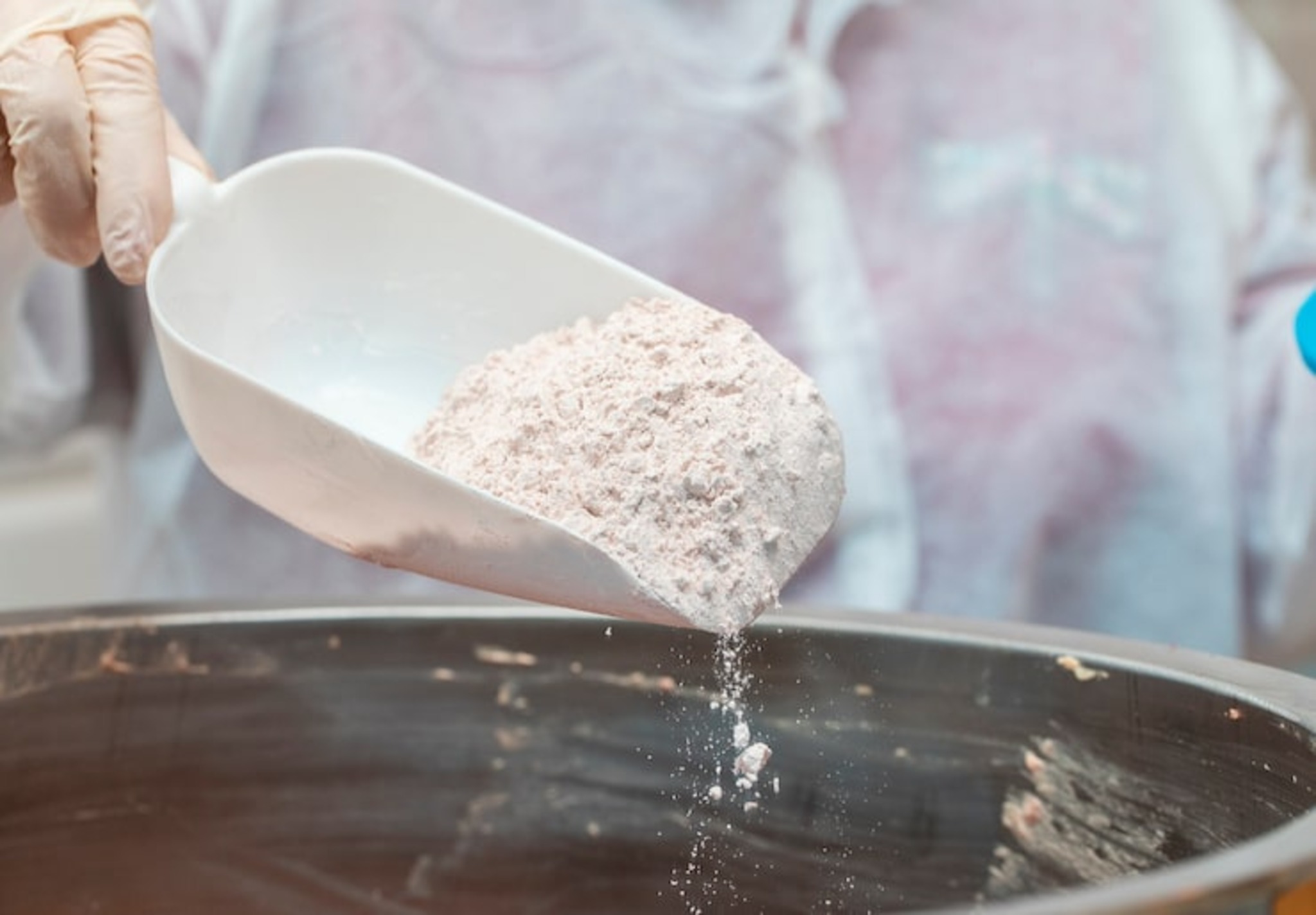
Even though these chemicals are food-grade, direct exposure can still pose risks to handlers. Fine powders can become airborne and may cause irritation or respiratory issues.
Essential PPE includes:
- Gloves for skin protection
- Masks or respirators to prevent inhalation
- Safety goggles for eye protection
Proper use of PPE is especially important when working with mineral additives for food and beverage industry.
3. Preventing Cross-Contamination
Cross-contamination is one of the most critical risks in food-grade environments. Mixing different chemicals or exposing them to contaminants can affect product quality and safety.
To minimize risk:
- Use dedicated equipment for each chemical
- Maintain strict hygiene protocols
- Clean handling surfaces regularly
This is particularly important for businesses relying on food grade mineral additives India.
4. Accurate Measurement and Controlled Usage
Precision is key when working with chemical additives. Incorrect dosing can alter product composition, taste, and safety.
Ensure:
- Use of calibrated measuring equipment
- Standardized operating procedures (SOPs)
- Proper batch tracking and documentation
Accurate handling ensures consistency in the mineral additives for food and beverage industry.
5. Proper Labeling and Documentation
Clear labeling ensures traceability and prevents misuse. Each batch should include:
- Product name
- Batch number
- Manufacturing and expiry date
- Storage instructions
Working with a reliable food grade mineral additives supplier ensures proper documentation and transparency.
Common Risks in Handling Chemical Powders
Despite best practices, risks can arise if safety protocols are ignored:
- Inhalation of airborne particles
- Moisture absorption leading to degradation
- Cross-contamination between chemicals
- Improper disposal causing environmental impact
Sourcing from a trusted food grade mineral additives manufacturer significantly reduces these risks.
Best Practices for Safe Handling
To maintain safety and efficiency:
- Conduct regular employee training
- Implement strict SOPs
- Perform routine quality checks
- Use high-quality packaging materials
These practices ensure safe and effective use of FSSAI approved mineral additives.
Choosing the Right Supplier Matters
Safety begins at the source. A reliable supplier ensures:
- Consistent product quality
- Compliance with regulatory standards
- Technical support and guidance
For dependable solutions, connect with Pyoraa.
Conclusion
Handling food-grade chemical powders requires a combination of strict safety protocols, regulatory compliance, and reliable sourcing. By implementing best practices and working with trusted suppliers, businesses can ensure consistent quality, operational efficiency, and consumer safety.